

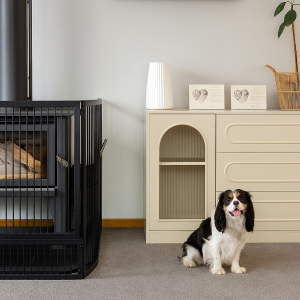




Move over traditional property managers, we have something better

Efficient property management is crucial for both landlords and tenants. When it comes to property management, you have the decision between hiring an independent property manager or opting for a traditional property management company. While both options have their merits, there are compelling reasons why an independent property manager is a better choice.

1. Personalised Service:
Independent property managers typically handle fewer properties compared to larger companies. This allows them to provide a more personalised and dedicated service to each client. With a smaller client base, independent managers can focus on the unique needs of individual properties, tailoring their services to meet specific requirements. At Homely we cap our portfolio numbers to ensure this.

2. Direct Communication:
One significant advantage of working with an independent property manager is the direct line of communication. Property owners often find it easier to reach and communicate directly with an independent manager, fostering a more transparent and responsive relationship. Quick and efficient communication is essential in addressing concerns, resolving issues, and making informed decisions.

3. Cost Efficiency:
Independent property managers may offer a cost-effective alternative to traditional property management companies. With fewer overheads and administrative costs, independent managers can often provide competitive pricing while maintaining high-quality services. Property owners benefit from a more direct relationship without sacrificing financial efficiency.

4. Local Expertise:
Independent property managers often specialize in specific local markets. This localised expertise can be a valuable asset when navigating local regulations, market trends, and tenant expectations. A deep understanding of the local real estate landscape allows independent managers to make informed decisions that benefit both property owners and tenants.

5. Flexibility and Adaptability:
Smaller scale operations often lead to increased flexibility. Independent property managers can adapt quickly to changing circumstances and tailor their approach based on the unique requirements of each property. This flexibility can be particularly beneficial in leasing properties, with the ability to be able to offer after hours and weekend viewings. 

6. Client-Centric Focus:
Independent property managers rely heavily on their reputation and client satisfaction for business growth. This focus on building a positive reputation encourages them to prioritise client needs and provide excellent service. The personal investment in client relationships can result in a higher level of commitment to client success.

7. Streamlined Decision-Making:
With fewer bureaucratic layers, independent property managers can make decisions more swiftly. This streamlined decision-making process enables them to address issues promptly, ensuring that both landlords and tenants receive timely resolutions to their concerns.

At Homely we do believe that while traditional property management companies have their advantages, independent property managers offer a range of benefits that can make them a preferable choice for property owners. The personalised service, direct communication, cost efficiency, local expertise, flexibility, client-centric focus, and streamlined decision-making processes are compelling reasons why you will find that an independent property manager is better suited to meet your needs in a constantly changing industry. 

Homely Service the following areas:
Property Management Manawatu
Property Management Feilding
Property Management Palmerston North
Property Management Horowhenua
Property Management Kapiti


Autumn Property Maintenance

As autumn blankets New Zealand with its colorful foliage and cooler temperatures, it’s the perfect opportunity to prepare your properties for the upcoming winter season. Autumn property maintenance is crucial in ensuring that homes remain comfortable, energy-efficient, and resilient against the challenges that winter may bring. In this article, we will explore some essential tips for maintaining your property during the autumn months in New Zealand.

1. Gutter Cleaning and Inspection: One of the first tasks to tackle in autumn is cleaning and inspecting your gutters. Fallen leaves and debris can accumulate, leading to clogs that may cause water damage to your home. Regular gutter maintenance prevents water from overflowing and protects your property from potential leaks and structural issues. 

2. Roof Inspection: Take the time to inspect your roof for any signs of damage or wear. Loose iron or missing shingles can lead to leaks during heavy rain. Addressing roof issues in autumn ensures that your home remains watertight throughout the winter months.

3. Heating System Maintenance: With cooler weather on the horizon, it’s essential to check and maintain your heating system. Schedule a professional inspection to ensure that your heating system is in good working condition. Clean or replace filters, check for any leaks, and make any necessary repairs to keep your property warm and energy-efficient.

4. Chimney and Fireplace Maintenance: If your home has a chimney or fireplace, autumn is the ideal time to have it inspected and cleaned. Creosote buildup can pose a fire hazard, and ensuring proper ventilation will contribute to a safer and more efficient heating system.

5. Exterior Maintenance: Inspect the exterior of your property for any cracks, gaps, or areas that may need sealing. Properly sealed windows and doors prevent heat loss and contribute to a more energy-efficient home. Additionally, check for any peeling or damaged paint and address it before the harsh weather sets in.

6. Landscaping and Garden Care: As leaves fall and plants go dormant, tidy up your garden by removing debris and trimming overgrown branches. Mulching around plants can help protect them from frost and provide insulation to the soil. 

7. Insulation Check: Ensure that your property is adequately insulated to retain warmth during the colder months. Inspect the insulation in your walls, roof, and floors, and consider adding or replacing insulation where needed. Adequate insulation not only keeps your property comfortable but also reduces energy bills.

8. Pest Control: Autumn is a critical time to address potential pest issues. As temperatures drop, rodents and insects seek shelter indoors. Seal any cracks or gaps in your properties exterior, and consider professional pest control measures to prevent infestations.


Taking the time to perform autumn property maintenance is an investment in the comfort, safety, and longevity of your property. By addressing these key areas, homeowners can ensure that their properties are well-prepared for the challenges of the upcoming winter season. Regular maintenance not only protects your property but also contributes to energy efficiency, ultimately saving money in the long run. It also leads to happier tenancies, which in turn results in less tenancy turnover with longer term tenants.

Homely Service the following areas:
Property Management Manawatu
Property Management Feilding
Property Management Palmerston North
Property Management Horowhenua
Property Management Kapiti

Green Living in Rental Properties

As the global focus on environmental sustainability continues to grow, landlords and tenants play a crucial role in fostering a greener future through eco-friendly practices in rental properties. For landlords, implementing sustainable initiatives not only benefits the environment but also enhances property value, attracts environmentally conscious tenants, and reduces operating costs.

For tenants, you play a pivotal role in promoting sustainability within your living space. Adopting eco-friendly practices not only contributes to a healthier planet but can also create a more sustainable and cost-effective living environment.

Tips for Landlords

Energy Efficiency

Upgrade Lighting and Appliances: Consider replacing traditional bulbs with energy-efficient LED lights and upgrading appliances to Energy Star-rated models. These changes can significantly reduce energy consumption, leading to lower utility bills for both landlords and tenants.

Invest in Smart Technology: Install smart thermostats, lighting controls, and energy-efficient HVAC systems. These technologies allow for remote monitoring and control, optimizing energy usage based on occupancy and preferences.

Water Conservation

Install Low-Flow Fixtures: Replace standard faucets, showerheads, and toilets with low-flow alternatives to minimize water wastage. This not only conserves a precious resource but also reduces water bills for both parties.

Landscaping and Native Plants: Opt for landscaping designs that require minimal water and choose native plants that are well-suited to the local climate. This reduces the need for irrigation and promotes a sustainable outdoor environment.

Urban Water Tanks: Look at installing a tank to reuse rain water. great for use of there are lots of gardens or also as an emergency water supply. 

Waste Management

Implement Recycling Programs: Particularly great for boarding houses. Set up recycling bins in common areas and provide clear guidelines for proper waste separation. Encouraging tenants to recycle helps reduce the environmental impact of landfill waste.

Composting Facilities: Consider establishing composting facilities on the property. This not only diverts organic waste from landfills but also produces nutrient-rich compost that can benefit landscaping efforts.

Renewable Energy Sources

Explore Solar Solutions: Investigate the feasibility of installing solar panels on rooftops. Solar energy not only reduces the property’s carbon footprint but also offers potential long-term savings on electricity expenses. There are some solar panel rebates available depending on your region. Check with your local council. 

Tips for tenants

Energy Efficiency

Mindful Energy Consumption: Be conscious of energy usage by turning off lights, appliances, and electronics when not in use. Consider investing in energy-efficient appliances to reduce your overall electricity consumption. If having to replace e bulbs, opt for LED energy efficient bulbs.

Utilize Natural Lighting: Take advantage of natural sunlight during the day to minimize reliance on artificial lighting. Open blinds and curtains to let in natural light, reducing the need for electricity.

Water Conservation

Report Leaks Promptly: Report any water leaks or plumbing issues to your landlord promptly. Timely repairs can prevent water wastage and contribute to a more sustainable living environment.

Conserve Water Usage: Practice water-saving habits, such as taking shorter showers, turning off faucets when not in use. These small adjustments collectively make a significant impact on water conservation.

Waste Management

Embrace Recycling Practices: Familiarize yourself with the property’s recycling system and separate waste accordingly. Recycling helps divert materials from landfills and reduces the environmental impact of waste disposal. More information on recycling rules can be found on most local council websites.

Limit Single-Use Items: Minimize the use of single-use plastics and opt for reusable alternatives. Bring your own shopping bags, water bottles, and containers to reduce waste production..

Community Engagement

Participate in Green Initiatives: Join or initiate community initiatives focused on environmental sustainability. This could include neighbourhood clean-up events, tree planting, or other activities that contribute to a greener community.

Stay Informed: Stay updated on local environmental policies and initiatives. Knowledge empowers you to make informed decisions and actively participate in shaping a sustainable future for everyone. Also,  its great to share any ideas with your landlord.


Landlords and tenants have the power to influence positive change by adopting environmentally sustainable practices within their rental properties. Not only does it show the tenants that your care which inturn can create longer tenanies with less turnover, these small, conscious efforts contribute to a collective impact that benefits both the planet and the community. By embracing a green lifestyle,  you contribute to a healthier environment but also inspire positive change within the rental community. Together, tenants and landlords can create a more sustainable future for everyone.

Homely Service the following areas:
Property Management Manawatu
Property Management Feilding
Property Management Palmerston North
Property Management Horowhenua
Property Management Kapiti

Summer Maintenance

As the warm summer months hit in New Zealand, it’s crucial to prepare your property for the season. Proper maintenance not only enhances the visual appeal but also ensures the longevity of your home. Here are some essential tips to keep your property in top shape during the summer:

1. Exterior maintenance: Walk around your property to inspect the exterior for any signs of wear and tear. Check for peeling paint or damaged siding and address any issues promptly.

2. Gutter cleaning: Clean gutters and downspouts to prevent blockages caused by leaves or debris. Ensure proper drainage to protect your home from water damage.

3. Roof Maintenance: Inspect the roof for loose or damaged shingles. Look for any signs of leaks and address them immediately.

4. Pest Control: Check for signs of pests both inside and outside your home. Ants are a lot more active this time year.

5. Landscaping and Lawn Care: Trim trees and bushes away from the house to prevent damage. Keep the lawn well-maintained by mowing regularly and watering as needed.

6. Deck and Patio Maintenance: Inspect decks and patios for any loose boards or structural issues. Clean and seal outdoor wooden surfaces to protect them from the elements.

7. Window and Door Maintenance: Check for drafts around windows and doors. Replace weather stripping if necessary to improve energy efficiency.

8. Pool Maintenance: If you have a pool, ensure proper chemical balance and cleanliness. Check pool equipment for any issues and address them promptly. Check gates and fencing is secure.

By investing time in these summer property maintenance tasks, you can ensure a comfortable and well-kept home. Regular upkeep not only enhances curb appeal but also helps prevent costly repairs in the long run. Stay proactive, and your property will thrive in the New Zealand summer.

Homely Service the following areas:
Property Management Manawatu
Property Management Feilding
Property Management Palmerston North
Property Management Horowhenua
Property Management Kapiti
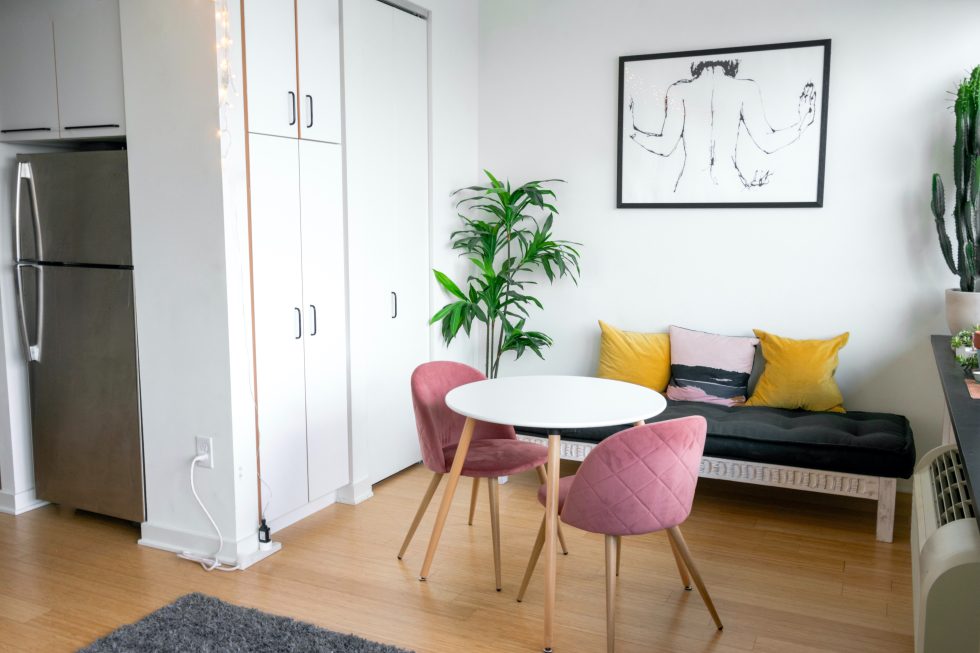
Rental Property or AirBnB?

Rental Property and Airbnb are two different types of property investment strategies. Here are some key points to understand the differences between them:

Rental Property

A rental property involves leasing out a property on a long-term basis, typically for a year or more. The landlord receives regular rental income, and the tenant is responsible for utilities and maintenance.

Pros of Rental Property:
– Stable income is the number one attraction for rental properties as it provide a steady stream of income as tenants typically sign long-term leases. With people struggling to afford their own homes, there is a constant high demand for rental properties regardless of the location or time of the year.

– You don’t need to think about vacancy rates, seasonal movement, or dealing with the hassle of check-in and outs. Long-term rentals involves fewer turnovers and less frequent guest interactions.

– There is less cost in not having to furnish a rental property. Tenants cover power, internet, water bills and their own contents insurance. There are also no regular cleaning and linen services costs to cover.

– There is less admin with long-term tenants, there is less worry about administrative tasks. Once the tenancy agreement is signed, and keys are exchanged, you don’t need to worry about advertising, key drops, cleaning and constant guest turnover.

Cons of Rental Property:
– There is limited flexibility. Once a lease is signed, it can be challenging to terminate early or adjust rental rates. You can’t book in to use the property when you wish.

– There may be periods of time where the property is unoccupied, resulting in no rental income. However, this is often short term.

– There seems to be a growing list of government regulations introduced affecting landlords, the full impacts of which are just impossible to follow at times. However, this is where a Property Managris useful.

Airbnb

Airbnb allows property owners to rent out their spaces on a short-term basis, usually for a few nights or weeks at a time. It is a popular option for travelers looking for unique accommodations.

Pros of Airbnb:
– Airbnb rentals can generate higher income per night compared to long-term rentals dependant on location and demand.

– Property owners have control over availability and pricing, allowing for flexibility for personal use or adjusting rates based on demand.

– Airbnb have less wear and tear on the property. You have more control of the property. Inspections are regular, and the property is professionally cleaned often. Guests that are staying are less likely to spend time in the house and even less expected to rearrange furniture or redecorate.

Cons of Airbnb:
– There is more management required, as an Airbnb property involves frequent turnover, guest communication, and maintenance or cleaning between stays.

– Depending on the location, there may be legal restrictions or regulations regarding short-term rentals. Check with your local council.

– Holiday rentals require more financial commitment as the properties need to be furnished and equipped with all the amenities, including services such as television and internet. Regular cleaning, maintenance and linen hire/service can come at a large cost. You need to make sure you also cover all the monthly bills like water and power.

– There are also some tax implications as short term accommodation is subject to GST. Not only does it mean that you may lose 15% of your profits, but you’re likely to lose 15% of the capital gain made on the property when you sell it or change the property’s use.

– Airbnb’s are not covered by the by Residential Tenancies Act. This means that standard tenancy agreements don’t apply. You need to make sure the contracts you use are enforceable, apply to your situation and have all the right conditions outlined.

– You may need to pay a higher premium or arrange extra cover as your usual house and contents insurance might not cover an Airbnb.

When determining whether to pursue a rental property or Airbnb investment it is essential to consider the advantages and disadvantages of each option. There is no right and wrong answer, as every property and owner have different needs to cover. Ensure you do your research and keep in mind that property investment should be a long-term plan that provides a revenue stream and ideally requires little time managing.

Homely Service the following areas:
Property Management Manawatu
Property Management Feilding
Property Management Palmerston North
Property Management Horowhenua
Property Management Kapiti

A Step In The Right Direction – Homely Ahead Of The Game

Would you leave someone responsible for millions of dollars worth of assests with zero experience and zero qualifications? Welcome to the world of New Zealand property management…. but hopefully not for long!

The residential property managers bills is now open to submissions and we couldn’t be happier. So if you have a spare few minutes, have your say here: https://www.parliament.nz/en/ECommitteeSubmission/53SCSS_SCF_D87A5C1C-3996-4894-281A-08DB9F707DF9/CreateSubmission

At Homely we believe Property Management should be seen as a career choice and not just a job.

This bill will help move the industry into a new regulated era that will enhance the protection for both landlords and tenants and put those millions of dollars of assests into qualified hands.

Here are some key aspects of the Residential Property Managers Bill:

1. Licensing: The bill proposed the introduction of a licensing system for property managers. This means that property managers would need to obtain a license from the government, demonstrating their competence and suitability to carry out property management services.

2. Code of Conduct: The bill outlined a code of conduct that property managers must adhere to. This code sets out the expected standards of professionalism, ethical behavior, and fair treatment of both landlords and tenants.

3. Education and Training: The bill aimed to establish minimum education and training requirements for property managers. This ensures that property managers have the necessary knowledge and skills to effectively manage rental properties.

4. Dispute Resolution: The bill included provisions for the resolution of disputes between property managers, landlords, and tenants. This would provide a formal process for resolving issues and grievances related to property management services.

Homely have been an a credited agency from the start with the Real Estate Institute of New Zealand, so our clients can ensure they are in safe hands. When looking for a property management company, be sure to check the accreditation status on the REINZ Website

The future for the industry is looking bright!

Homely Service the following areas:
Property Management Manawatu
Property Management Feilding
Property Management Palmerston North
Property Management Horowhenua
Property Management Kapiti

Spring Maintenance

Spring is a wonderful time to tackle property maintenance tasks to keep your home in great shape. Here are some helpful tips to get you started:

1. Clean out gutters: Check for any debris that may have accumulated in your gutters over winter. These need to be cleared to ensure proper drainage and prevent potential water damage. This is also part of keeping up with drainage standards under the Healthy Home Legislation.

2. Inspect the roof: Look for any loose or damaged shingles, loose or rusted iron, as well as signs of leakage. If these issues are present, consider a professional roofer to address them before they worsen.

3. Trim trees and shrubs: Spring is the ideal time to prune any overgrown branches or shrubs. This promotes healthy growth and prevents potential hazards during storms.

4. Check your outdoor lighting: Replace any burnt-out bulbs and ensure all outdoor lights are functioning properly for safety and security purposes.

5. Inspect your HVAC system: Schedule a professional maintenance check for your heating, ventilation, and air conditioning (HVAC) system to ensure it’s in good working condition for the warmer months ahead.

6. Clean exterior surfaces: Pressure wash your property exterior, decks, patios, and walkways to remove dirt, grime, and mildew. This will not only improve the appearance of your property but also help prevent further damage.

7. Check your fencing: Inspect your fence for any loose or damaged boards, and repair or replace them as necessary. A well-maintained fence enhances both privacy and security and also prevents potential hazards during storms.

8. Prepare your garden beds: Remove any dead plants and weeds, then add fresh soil and mulch to nourish your garden. Consider planting new flowers or vegetables for vibrant and delicious results.

9. Inspect the property for pests: Spring is a prime time for pests, so it’s a good idea to have your property inspected by a professional to prevent any infestations.

Remember, taking care of your property during spring not only increases its curb appeal but also helps maintain its value over time. Happy maintenance!

Homely Service the following areas:
Property Management Manawatu
Property Management Feilding
Property Management Palmerston North
Property Management Horowhenua
Property Management Kapiti

The Role of Effective Property Management

Property management plays a crucial role in maintaining and enhancing the value of rental investments. If you’re a landlord, having a skilled, qualified and efficient property manager can make all the difference in ensuring the success and profitability of your investment. In this article, we will explore the essential aspects of effective property management and why it is crucial in today’s dynamic real estate market.

  1. Maintenance and Repairs:
    One of the primary responsibilities of a property manager is to oversee the maintenance and repair needs of the property. From routine inspections to addressing tenant complaints and coordinating repairs, a proactive approach to property maintenance ensures that potential issues are identified and resolved promptly. Regular maintenance not only keeps the property in good condition but also safeguards its long-term value.
  2. Tenant Screening and Communication:
    Finding and retaining quality tenants is instrumental in maximizing rental income and minimizing vacancies. A competent property manager will thoroughly screen prospective tenants, verifying their employment, credit history, and references. Furthermore, effective communication with tenants, including addressing their concerns promptly and providing clear guidelines on property rules, creates a harmonious living environment and fosters tenant satisfaction and retention.
  3. Rent Collection and Financial Management:
    Timely rent collection is vital for steady cash flow and sound financial management. A property manager ensures that rent is collected promptly, handles eviction procedures if necessary, and monitors rental rates to stay competitive in the market. Additionally, they are responsible for accurate financial record-keeping, budgeting, and handling day-to-day financial transactions.
  4. Legal Compliance:
    Navigating the legal aspects of property management is a complex task. A knowledgeable property manager ensures that all property operations comply with the Residential Tenancies Act 1986. From lease agreements to health and safety laws, prudent property management minimizes legal risks and protects both landlords and tenants.
  5. Property Marketing and Tenant Selection:
    Vacancies can be costly for property owners. A proactive property manager employs effective marketing strategies to attract potential tenants efficiently. They utilize various online platforms, social media marketing, and networking to showcase the property’s unique selling points, thereby minimizing vacancy periods and maximizing rental income.
  6. Conflict Resolution and Problem-Solving:
    Inevitably, conflicts and problems may arise between tenants, landlords, or neighboring properties. A skilled property manager acts as a mediator, employing diplomatic communication and problem-solving skills to find amicable resolutions. By effectively managing such conflicts, property managers uphold a positive image for the property and maintain tenant satisfaction.

Effective property management is a multifaceted role that requires a range of skills, knowledge, and experience. By entrusting your property to a competent Homely Property Manager, you ensure that your property is well-taken care of, leading to increased profitability, reduced stress, and enhanced peace of mind. From maintenance and tenant management to legal compliance and financial oversight, property management is an invaluable asset in your property investment journey.

Homely Service the following areas:
Property Management Manawatu
Property Management Feilding
Property Management Palmerston North
Property Management Horowhenua
Property Management Kapiti

  • Amanda Wiapo – Director of Homely Property Management