





Renting Granny Flats and Secondary Dwellings: What Landlords Need to Know

As housing affordability continues to be a challenge across New Zealand, more property owners are turning to granny flats and secondary dwellings as a way to generate additional income, accommodate extended family, or increase the value of their investment.

While these types of properties can offer excellent opportunities, they also come with legal and management responsibilities that every landlord should understand as a dwelling being legal to build does not automatically mean it is legal to rent.

What is a Granny Flat?

A granny flat, also known as a secondary dwelling, minor dwelling or self-contained unit, is a separate living space located on the same property as the main house. Depending on the design, it may include its own bedroom, bathroom, kitchen and living area.

Many homeowners choose to rent these dwellings independently, creating an additional income stream while making better use of their property.

Every granny flat or secondary dwelling must:

  • Meet Healthy Homes Standards independently.
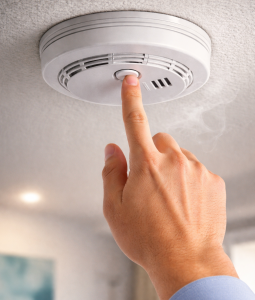
  • Have working smoke alarms installed.
  • Be self-contained
  • Have proper cooking facilities, including:
    • A stovetop or hotplates.
    • An oven.

Are Granny Flats Covered by the Residential Tenancies Act?

In many cases, yes.

If the occupant has exclusive possession of the granny flat and pays rent, the arrangement will generally be covered by the Residential Tenancies Act (RTA). This means landlords must comply with all tenancy legislation, including:

Using a compliant tenancy agreement.
Lodging the tenant’s bond correctly.
Meeting Healthy Homes Standards where required.
Providing required insulation and smoke alarms.
Following the correct processes for inspections, maintenance and ending a tenancy.

Simply calling the arrangement a “boarder” or “flatmate” agreement does not change the legal status if the tenant has exclusive use of the dwelling.

Healthy Homes Requirements

Where a granny flat is rented as a separate tenancy, it will usually need to meet the Healthy Homes Standards.

This includes requirements relating to:

Heating
Insulation
Ventilation
Moisture ingress and drainage
Draught stopping

Every secondary dwelling should be assessed individually, as compliance requirements can differ depending on the building’s layout and tenancy arrangement.

Insurance Matters

One of the most overlooked aspects of renting a secondary dwelling is insurance.

Before advertising the property, landlords should speak with their insurer to ensure:

The policy covers multiple tenancies.
The secondary dwelling is disclosed.
Loss of rent cover is appropriate.
Liability cover remains adequate.

Failing to notify your insurer about a rented granny flat could affect future claims.

Council and Building Compliance

Before renting a secondary dwelling, ensure it has the necessary approvals.

Depending on when it was built and the local council requirements, this may include:

Building Consent.
Code Compliance Certificate (CCC).
Resource Consent (where applicable).

An unconsented dwelling may create legal, insurance and lending issues and can significantly increase a landlord’s risk.

Utilities and Services

Landlords should also consider how utilities are managed.

Questions to think about include:

Is electricity separately metered?
How will water charges be allocated?
Is internet shared or separate?
Who is responsible for maintaining shared driveways, gardens and outdoor areas?

These arrangements should be clearly documented within the tenancy agreement.

Privacy and Access

When both the main house and granny flat are rented, privacy becomes especially important.

Landlords should ensure:

Each tenancy has clearly defined outdoor areas.
Accessways are safe and unobstructed.
Parking arrangements are agreed upon.
Tenants understand any shared facilities before moving in.

Clear expectations help minimise disputes and improve the living experience for everyone.

The Benefits of a Homely Property Manager

Managing two dwellings on one title often involves additional complexity.

Homely can assist with:

Ensuring the tenancy is structured correctly.
Legislative compliance.
Healthy Homes assessments.
Tenant selection and screening.
Rent collection.
Routine inspections.
Maintenance coordination.
Managing communication between multiple tenants.

Having professional management  reduces risk and gives landlords confidence that both properties are being managed in accordance with current legislation.


Granny flats and secondary dwellings can be an excellent investment, providing additional income while helping meet New Zealand’s growing demand for quality rental housing. However, success depends on ensuring the property is legally compliant, properly insured and professionally managed.

If you’re considering renting out a granny flat or secondary dwelling, obtaining advice before advertising the property can save significant time, money and stress later on.

A little preparation now can protect both your investment and your tenants for years to come.

Why Landlords Need the Right Insurance Cover

As Homely property managers, one of the most common conversations we have with landlords is about protecting their investment. While finding quality tenants and maintaining a well-presented property are important, having the right insurance in place is just as critical.

No matter how carefully a property is managed, unexpected events can happen. Storm damage, fires, floods, accidental damage, tenant-related issues, and loss of rental income can all have a significant financial impact. Insurance provides an essential safety net when things don’t go according to plan.

Your Rental Property is a Business Asset

For many landlords, a rental property represents years of hard work, financial commitment, and future planning. It is important to view your investment property as a business asset and protect it accordingly.

Standard homeowner insurance policies may not provide adequate cover for a tenanted property. Landlord-specific insurance policies are designed to address the unique risks associated with renting out a home and can provide protection that standard policies may not.

Protecting Against the Unexpected

Even with thorough tenant selection processes and regular property inspections, some risks simply cannot be eliminated.

Landlord insurance may provide cover for:

  • Intentional damage caused by tenants
  • Vandalism or theft
  • Loss of rent following an insured event
  • Damage to landlord-owned contents
  • Legal liability claims

Every insurance provider offers different levels of cover, so it is important to understand exactly what your policy includes and excludes.

Loss of Rent Can Be Costly

One area that landlords often overlook is loss-of-rent cover.

If your property becomes uninhabitable following a fire, flood, or other insured event, the rental income you rely on may stop immediately while expenses continue. Mortgage payments, rates, insurance premiums, and maintenance costs don’t simply disappear.

Appropriate insurance can help provide financial support during these periods, reducing the stress and uncertainty that can come with unexpected property damage.

Compliance Doesn’t Eliminate Risk

Meeting Healthy Homes Standards and maintaining a well-presented property are essential landlord responsibilities. However, even the most compliant and well-maintained homes can experience unforeseen events.

Insurance works alongside good property management practices to provide an additional layer of protection for your investment.


At Homely, we strongly encourage all landlords to review their insurance cover regularly and ensure it remains appropriate for their circumstances.

While we work hard to minimise risk through careful tenant selection, regular inspections, proactive maintenance, and ongoing communication, some events are simply beyond anyone’s control. Having the right insurance in place can make the difference between a manageable setback and a significant financial burden.

If you’re unsure whether your current policy provides adequate protection, we recommend speaking with your insurance provider to review your cover.

What Migration Means for Your Rental Property

If you’ve been wondering why the rental market feels a little… different, you’re not imagining it.

One of the biggest drivers behind what’s happening is migration. The number of people coming into (and leaving) New Zealand. Those numbers are shifting.

Here’s what that means for you as a property owner.

 
So… what’s changed?

Over the past few years, New Zealand saw a huge influx of people moving here. That created:

High rental demand
Rising rents
Very low vacancy rates

Fast forward to now and migration has slowed right down.

At the same time, more people have been leaving New Zealand (especially heading to Australia), and we’ve had a lot of new homes built.

The result? A more balanced market and in some areas, a tenant-friendly one.

 
What we’re seeing in the rental market

Here’s how this is showing up on the ground:

Properties may take a little longer to rent
Tenants have more choice (and negotiating power)
Rent increases aren’t as aggressive as before
Presentation and pricing matter more than ever

This doesn’t mean the market is bad it just means it’s changed.

 
What this means for you as a landlord

1. Keeping good tenants is key

With fewer new tenants entering the market, holding onto a great tenant is more valuable than ever.

A small rent increase isn’t always worth the risk of a vacancy.

2. Pricing needs to be realistic

Gone are the days of “just push the rent up and it’ll go.”

Now, it’s about:

Reading the market properly
Positioning your property competitively
Acting quickly if enquiry is low

3. First impressions matter more

With more options available, tenants are comparing properties more closely.

Simple things make a big difference:

Clean, well-presented homes
Good photos and marketing
Quick response times

4. Strategy matters (more than ever)

This is where good property management really counts.

It’s no longer a “set and forget” market. At Homely we’re constantly:

Monitoring demand
Adjusting pricing strategies
Advising on timing and improvements
Working to minimise vacancy


What’s next?

Migration will always go in cycles. It rises, it falls, and it shifts with the economy.

But one thing stays the same…..People will always need homes.

The key is adapting to what the market is doing right now and making smart, informed decisions along the way.

 
Our approach at Homely

We’re here to make sure your property stays:

Competitive
Well-presented
Properly tenanted
And performing the way it should

No guesswork, just honest advice, real care, and proactive management.

Methamphetamine Regulations 2026: What Every Landlord Needs to Know

At Homely, we believe in keeping our clients informed, protected, and ahead of any changes that could impact your investment.

From 16 April 2026, new methamphetamine regulations will come into effect across New Zealand, bringing clearer rules around contamination in rental properties.


Why This Change Matters to You

For a long time, meth contamination has been a confusing and stressful issue for property owners. Different standards and advice made it difficult to know when action was required and who was responsible.

These new regulations remove that uncertainty by introducing clear, consistent thresholds that everyone must follow.


What Are the New Standards?

Under the new regulations:

  • A property is considered contaminated at 15µg per 100cm²
  • It must be cleaned to this level (or below) before being re-tenanted
  • At 30µg per 100cm², a property may be considered uninhabitable

This gives us a clear framework to guide decisions and protect your property.


What This Means for You as a Property Owner

The new rules place greater responsibility on ensuring properties are safe and compliant.

At Homely, we will manage this process for you, including:

  • Coordinating professional testing (when required)
  • Working with qualified decontamination providers
  • Ensuring your property meets all legal requirements before being re-let
  • Keeping you informed every step of the way

Our goal is to make this process as smooth and stress-free as possible.


A Shift in Risk You Should Be Aware Of

One important change is how these new thresholds may impact insurance cover.

In some cases, lower levels of contamination may no longer trigger insurance claims, meaning there could be costs that fall to the property owner.

This is why proactive management is more important than ever.


How We’re Protecting Your Investment

At Homely, we take a proactive approach to reduce risk and protect your property:

  • Recommending baseline testing where appropriate
  • Maintaining thorough documentation
  • Conducting regular, detailed inspections
  • Providing clear advice tailored to your property

We’re here to ensure you’re not caught off guard.


It’s Not Just About Compliance

While the law sets minimum standards, tenant expectations often go further.

A property can meet legal requirements, but still impact tenant confidence if not managed carefully.

That’s why we focus on both compliance and presentation, helping you maintain a high-quality rental that attracts and retains great tenants.


We’re Here to Help

These changes are a positive step for the industry, creating more certainty and consistency for everyone involved.

For you, it means it is another important reason to have a knowledgeable team, like Homely, in your corner who understands the detail and takes care of it on your behalf.

If you have any questions about how these changes may affect your property, we’re always here to talk.


Smoke Alarm Compliance in New Zealand — What New-Build Property Owners Must Know

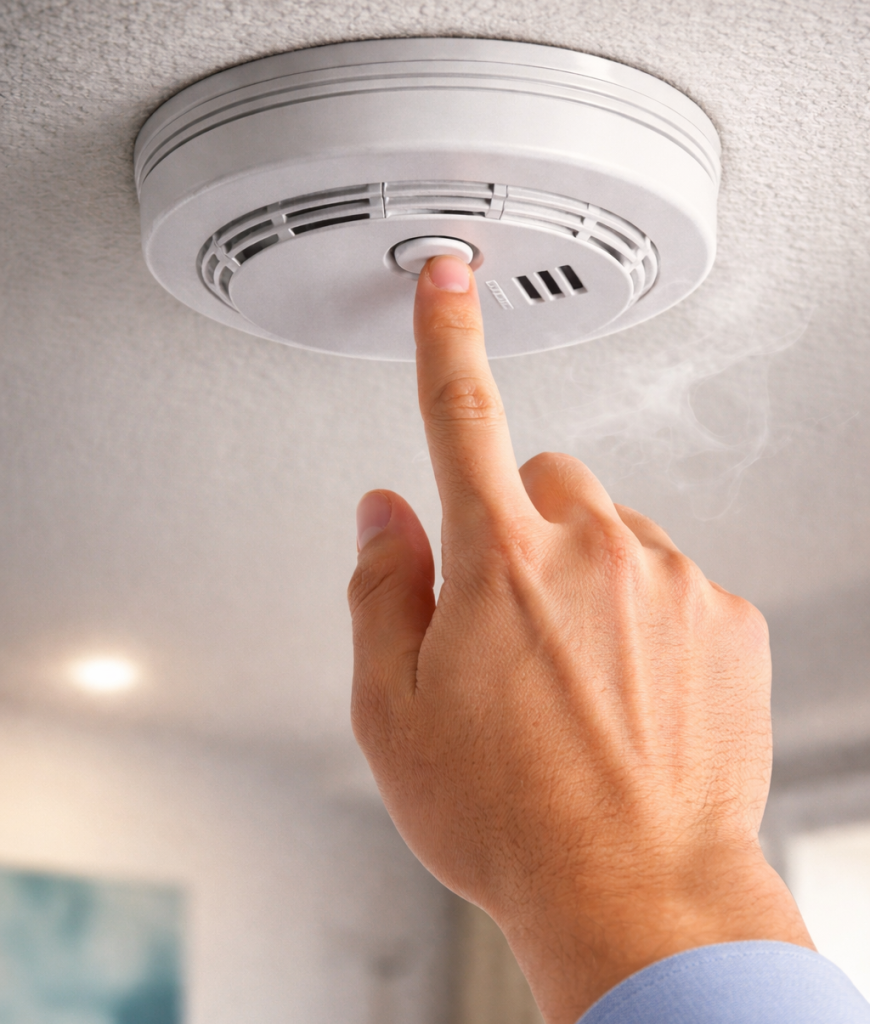
Smoke alarms are one of the most important safety requirements in residential housing. In New Zealand, compliance isn’t optional — and for new-build properties, the expectations are higher than for older homes because they must meet the current Building Code at the time the Code Compliance Certificate (CCC) is issued.

For developers, investors, and future landlords, understanding smoke alarm rules early avoids delayed CCC approvals, failed inspections, tenancy breaches, insurance issues, and most importantly serious safety risks.


Why smoke alarm compliance matters

New Zealand Fire and Emergency (FENZ) statistics consistently show that working smoke alarms dramatically increase survival in house fires. Most fatal residential fires occur at night while occupants are sleeping. Modern building requirements therefore focus on early warning and whole-house coverage, not just a single hallway alarm.

In practice, a new build without correct alarm placement can:

  • fail final council inspection

  • delay settlement or handover

  • prevent tenants moving in

  • void or complicate insurance claims after a fire

  • breach tenancy legislation if rented


The law: Two separate rules apply

New-build homes sit under two different pieces of legislation at the same time:

1) Building Act & Building Code (during construction)

Applies when building the property and obtaining CCC.

2) Residential Tenancies legislation (when rented)

Applies once tenants move in.

A property can pass building inspection but still fail rental compliance — this catches many investors out.


Building Code requirements (New Builds)

New homes must comply with the New Zealand Building Code clause F7/AS1 – Warning Systems.

Required alarm type

All new builds must install:

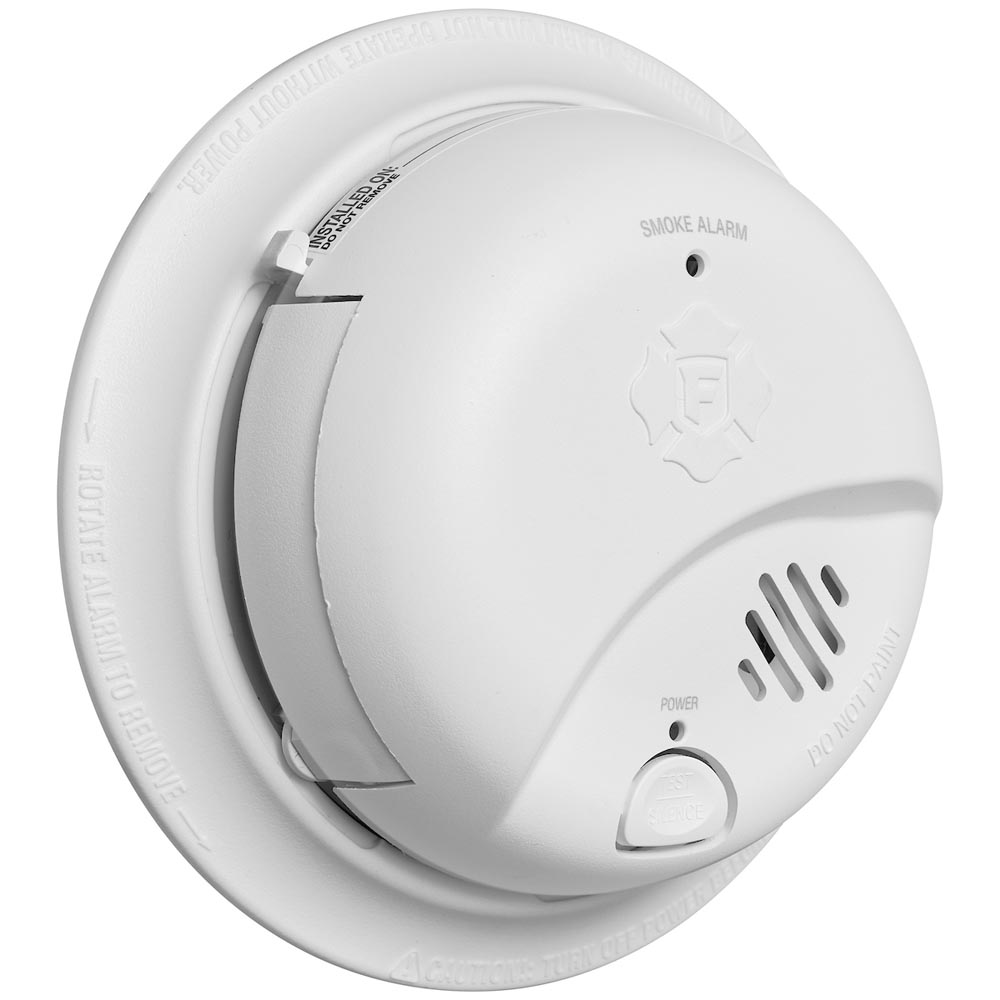
  • Hard-wired (mains powered) smoke alarms

  • With battery back-up

  • Located throughout the dwelling (not just hallways)

Battery-only alarms are not acceptable for a new build.


Where smoke alarms must be installed

The Building Code requires alarms to be positioned so occupants receive early warning while sleeping.

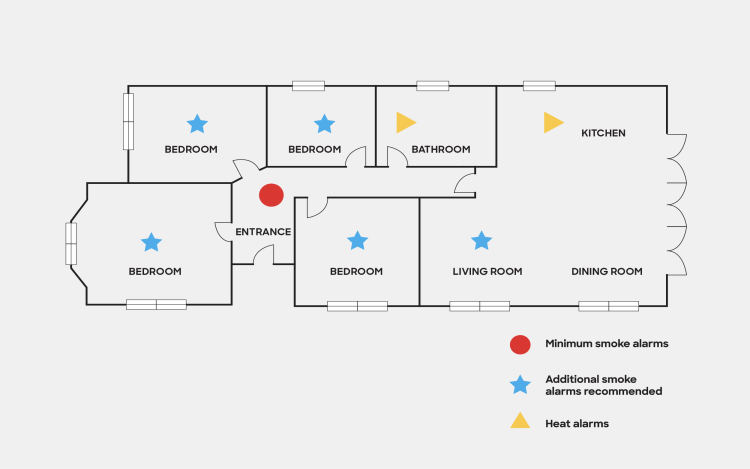
They must be installed:

  • In every bedroom

  • In hallways or areas outside sleeping spaces

  • On each level of the home (including upstairs and downstairs)

  • In paths of egress (escape routes)

This is a major difference from older houses, which often only had one alarm in the hallway.


Interconnection requirement (very important)

In new homes, smoke alarms must be interconnected.

That means when one alarm activates, every alarm in the house sounds.

This is crucial in modern open-plan homes where fires often start in living areas or garages, not bedrooms.


Location rules (technical placement)

Correct placement is part of compliance. A wrong location can fail inspection.

Smoke alarms must:

  • Be installed on the ceiling (preferred)

  • At least 300 mm from walls

  • Not in kitchens or bathrooms (false alarms)

  • Not near heat pumps, vents, or windows

  • Not inside cupboards or garages (unless required as part of system)


Code Compliance Certificate (CCC)

You cannot legally complete a new build without compliant smoke alarms.

Council inspectors check:

  • Alarm type

  • Power source

  • Interconnection

  • Location

  • Operation (they will test them)

No compliant alarms = no CCC.

No CCC = you cannot legally occupy or settle the property.


When the property becomes a rental

Once rented, the rules change slightly. Now the property must also meet Residential Tenancies smoke alarm regulations.

Good news:
If a new build complies with the Building Code, it will almost always exceed tenancy standards.

However, the responsibilities now shift to both parties.


Landlord responsibilities

The owner/landlord must:

  • Ensure working alarms are installed at the start of every tenancy

  • Replace expired alarms (typically after 10 years)

  • Repair faulty alarms promptly

A landlord cannot contract out of this responsibility.


Tenant responsibilities

Tenants must:

  • Notify the landlord if alarms fail

  • Not remove or damage alarms

Intentional removal or disabling of alarms can lead to liability if a fire occurs.


Types of smoke alarms used in new builds

New Zealand requires photoelectric smoke alarms in sleeping areas because they detect smouldering fires faster than older ionisation alarms. 


Insurance implications

Many insurers now ask after a house fire “Were working smoke alarms installed?”

If alarms were missing, disconnected, or non-compliant, insurers may:

  • reduce payouts

  • decline claims

  • pursue liability

For landlords, this can become a six-figure problem.


Practical advice for investors & developers

To avoid issues:

  • Install alarms early (during electrical rough-in)

  • Use an electrician familiar with F7/AS1

  • Photograph installed alarms before settlement

  • Record alarm manufacture dates

  • Have your property manager check alarms at every inspection and record replacement dates.


Smoke alarm compliance in new builds isn’t just a regulatory box to tick, it is one of the few property requirements directly linked to life safety.

For developers, it protects your CCC and settlement.
For landlords, it protects your tenancy compliance and insurance.
For occupants, it protects lives.

A compliant system is inexpensive compared to the risks of getting it wrong and in New Zealand property management, smoke alarms are one of the first things inspectors, insurers, and investigators will check after a fire.

Natural Disasters – What Owners and Tenants Need to Know

With the extreme weather impacting parts of the country this week, it felt like a good time to talk about natural disasters and property management. What happens, what it means for owners and tenants, and how situations like these are actually handled.

New Zealand is a beautiful place to live, but it is also a country shaped by nature. Earthquakes, flooding, slips, storms and coastal weather events are not rare occurrences here. They are a real and ongoing part of property ownership and renting.

For the Homely team, natural disasters are not just emergency situations. They are legal situations, insurance situations, human situations and often all at once.

Understanding responsibilities before an event occurs is one of the most important ways owners and tenants can protect themselves.

Why This Matters More Than Ever

In recent years New Zealand has experienced significant weather events, including major flooding, cyclones and slips affecting thousands of rental homes.

The reality is:

Natural disasters don’t just damage houses, they disrupt tenancies, finances, safety, and wellbeing.

After a disaster, the biggest issues we see are not actually the physical damage.
They are confusion, panic, and misunderstandings about:

• Who pays
• Who fixes it
• Whether rent still applies
• Whether a tenant must move out

Our job is to have those answers ready.

The Legal Position (Residential Tenancies Act)

When a rental property is damaged by a natural disaster, the Residential Tenancies Act (RTA) determines what happens next.

There are three key categories:

1. The property is still safe to live in

Example: minor roof leak, small flooding in garage, damaged fencing.

In this situation:
– The tenancy continues.
– The landlord must arrange repairs within a reasonable timeframe.
– Rent still applies.
– Insurance claims should begin immediately.
– Tenants must still report damage as soon as possible. Waiting can make damage worse and can affect insurance.

2. The property is partially uninhabitable

Example: A section of the home has been damaged but the remaining areas can still be used, or there is a temporary interruption to essential services such as water or electricity.

In this case:

– The tenant may apply for a rent reduction
– The landlord must carry out repairs
– Both parties must act reasonably
– Temporary accommodation may be needed
– This is one of the most sensitive areas of property management because the tenant still has a home, but not a fully functioning one.

3. The property is uninhabitable

Example: severe flooding, structural damage, landslip, fire, or earthquake risk.

– If the property is still safe to enter, landlords need to give 7 days’ notice and tenants need to give 2 days’ notice.
– If the home is unsafe, the tenancy should be ended immediately.
– Rent stops from the day the property is no longer accessible or the above notice periods have ended. 
– This surprises many owners, but legally, you cannot charge rent for a property that cannot be lived in.

Insurance — The Most Common Misunderstanding

One of the biggest myths is: “If something happens, insurance will just sort it.”

Unfortunately, insurance claims after natural disasters are rarely fast.
They can take months, and sometimes over a year.

Landlord insurance typically covers:

– The building and it’s fixture’s
– Loss of rent (depending on policy)

It does not cover the tenants belongings. This would be under the tenants personal contents insurance. 

After floods, many tenants discover too late that replacing beds, couches and appliances can cost tens of thousands of dollars.

Responsibilities During a Disaster

Tenant must:

– Notify the property manager immediately
– Take reasonable steps to prevent further damage (if safe)
– Not stay in an unsafe home
– Allow access for urgent repairs

Tenants are not responsible for natural disaster damage unless they caused it.

Landlords must:

– Act urgently
– Arrange emergency repairs
– Lodge insurance claims
– Make the property safe
– Communicate clearly

This is where a Homely property managers become critical. During disasters, contractors, insurers and councils are overwhelmed. Having someone coordinating repairs dramatically reduces stress and downtime.

What a Homely Property Manager Actually Does in a Disaster

We become a crisis coordinator.

We will:
• Organise emergency tradespeople
• Work with insurers and loss adjusters
• Provide documentation and photos
• Guide tenants on next steps
• Advise owners on legal obligations
• Manage rent adjustments or tenancy termination
• Prevent compliance breaches

However, natural disaster management starts before a disaster.

Homely property managers focus heavily on risk reduction:

– Checking drainage and gutters
– Monitoring retaining walls and fences
– Identifying flood-risk areas
– Managing trees near dwellings
– Encouraging healthy homes compliance (reduces moisture damage)

Good management is no longer just rent collection, it is risk management.

Communication: The Most Important Tool

During a natural disaster, the most important service a Homely property manager provides is certainty.

Owners want to know:
“Is my investment protected?”

Tenants want to know:
“Do I still have a home?”

Clear guidance prevents disputes, protects relationships, and avoids Tenancy Tribunal claims later.


Natural disasters are not a possibility in New Zealand, they are an expectation. The difference between a manageable situation and a financial or tenancy tribunal disaster usually comes down to preparation, documentation, and professional guidance.

For owners, this means understanding your insurance and legal obligations.

For tenants, this means knowing your rights and protecting your belongings.

And for our Homely property managers, it means being ready long before the storm arrives. Because in property management, the real work often starts when the weather turns.

Preparing Your Property for Rent

With summer around the corner and the potential for a change of scenery, a new job opportunity or a new investment purchase perhaps, you may be considering preparing a property for rent. But what’s involved with ensuring you are attracting great tenants and achieve strong returns?
Preparation is key. Whether you’re a first-time landlord or adding another home to your portfolio, taking the time to get your rental “ready for rent” will help you secure quality applicants, reduce vacancy time, and ensure compliance with New Zealand’s residential tenancy standards.

Here’s a step-by-step guide to help you prepare.

1. Understand Your Legal Responsibilities

Before you begin preparing the home, make sure you’re across New Zealand’s rental standards and legal requirements. Key areas include:

Healthy Homes Standards

All rental properties must meet the Healthy Homes Standards, which cover:

Heating

Insulation

Ventilation

Moisture ingress & drainage

Draught stopping

Investing in compliance not only keeps you on the right side of the law, it makes your home safer and more comfortable for tenants.

Smoke Alarms

Homes must have working, long-life photoelectric smoke alarms installed in the correct locations.

Property Maintenance Obligations

Landlords must provide and maintain the premises in a reasonable state of repair throughout the tenancy.

If unsure, talk with Homely, we are happy to come visit. 

2. Complete Any Repairs and Maintenance

A property in good condition attracts better applicants and reduces issues down the track. Before listing your rental:

Fix leaking taps, broken handles, cracked windows, or faulty appliances

Touch up peeling paint or worn-out areas

Ensure all lights and power points are working

Check that doors and windows open, close, and lock properly

Service heat pumps, gas appliances, and ventilation systems

Healthy home requirement upgrades or repairs. 

These small investments help your property look well cared for and move-in ready.

3. Deep Clean the Property

Tenants must leave a property “reasonably clean and tidy” at the end of their tenancy—so as a landlord, providing the same standard at the beginning is best practice.

A deep clean should include:

Cleaning carpets

Washing walls and ceilings of fly spots and other marks. 

Cleaning the oven, rangehood, and all appliances

Scrubbing bathrooms and kitchens

Cleaning windows inside and out

Removing any rubbish or leftover items

A professionally cleaned home sets the tone for how you expect the property to be cared for. Homely has a great ready to rent checklist we can share with you. Just get in touch!

4. Prepare the Outdoor Areas

Street appeal counts, even for rentals. Make sure outdoor spaces are as inviting and low-maintenance as possible.

Mow lawns and trim hedges

Remove weeds and debris

Clear gutters

Check exterior lighting

Securely store or remove unused garden items

Outdoor condition is part of the overall tenant experience and influences their perception of value and care.

5. Decide What to Include

Standard items might include:

Heat pump

Dishwasher

Curtains or blinds

Outdoor bins

But you may want to leave behind a plumbed in fridge or other items that go with the property. 

6. Set the Right Rent

Talk with Homely for a current market update and rental appraisal. The factors we consider are:

Location and demand

Condition of the property

Number of bedrooms and bathrooms

Local amenities

Comparable recent rentals

All this information helps us to determine an accurate price point that maximises both interest and return.

7. Ready the Property for Marketing

Great photos drive enquiries. Have the property ready for a professional photographer:

Open blinds and curtains to maximise light

Remove clutter

Add simple touches (clean towels, fresh flowers, cushions)

Ensure the home is spotless

Ensure power is on at the property 

8. Work With a Professional Property Manager

Preparing a rental can be time-consuming and complex, especially with New Zealand’s evolving regulations. A Homely property manager can handle:

Market appraisal and pricing

Healthy Homes compliance

Advertising and photography

Tenant screening

Viewings and applications

Tenancy agreements

Ongoing management and inspections

Homely’s expertise helps protect your investment and ensures a smooth start for your tenants.


As you prepare for your investment journey, just remember Homely is here to help along the way to ensure a good foundation for a successful tenancy. 


For your FREE Homely rental appraisal to get your journey started, click HERE


New Pet-Rules for NZ Rentals: What Tenants and Landlords Need to Know

It’s the announcement we’ve all be waiting for. As of the 1st December 2025, new provisions under the Residential Tenancies Amendment Act 2024 (RTA) will change how pets are managed in rental properties across New Zealand. This has been introduced so renting with pets is more transparent and balanced while still protecting landlords’ interests.

What’s Changing

Here are the key take aways coming under the new rules:

  • Written consent to keep a pet
    Tenants will only be allowed to keep a pet if the tenancy agreement already permits it or they obtain written consent from the landlord.
  • Landlords must have reasonable grounds to refuse
    Landlords will no longer be able to say no to pets without justification. They must provide a valid reason for declining a pet request. For example, the property may be unsuitable (no grounds, or inadequate fencing), local council or body-corporate rules might prohibit the pet, or the pet’s behaviour or breed could raise concerns.
  • Pet bonds allowed
    For tenancies beginning after the new rules come into effect, landlords will be able to charge a “pet bond” in addition to the standard general bond. The pet bond may be up to two weeks’ rent.
  • Liability for pet-related damage
    Tenants will be responsible for any damage caused by their pets beyond what is considered “fair wear and tear”. This ensures that landlords have protection, while tenants with pets know their obligations.
  • Existing pets / existing tenancy agreements
    If a tenant already has a pet that was allowed (explicitly or implicitly) under the tenancy agreement before the new rules take effect, then those pets are typically exempt from needing new consent or paying a pet bond when the changes roll in. The new scheme applies to new permissions/tenancies from the commencement date.
  • Assist animals (disability service/assist dogs)
    The rules do not apply to disability assist dogs. Consent is not required and no pet bond may be charged for such animals.

Why the change?

Pets are part of many Kiwi households, but it’s common for many rental properties to have a blanket “no-pets” rule, which can make it difficult for pet owners to secure a home. This change aims to provide clarity and fairness.

What this means for tenants

If you want to keep a pet in a rental, you’ll need to apply in writing to the landlord once the rules take effect. If you’re unsure what to include in your application, ask your property manager whether they have a pet application form to help make your request clearer.

You’ll have better chances of having a pet now. Landlords cannot decline simply because “we don’t do pets” they must give reasonable grounds to decline. 

Be prepared for potential additional upfront costs. If allowed, a pet bond of up to two weeks’ rent could apply as well as other reasonable conditions. 

You’ll need to keep your pet’s behaviour under control to avoid liability for damage or nuisance to neighbours. 

What this means for landlords

You’ll still retain the ability to say “no” to a pet, but you must have reasonable grounds to refuse, such as property suitability, local council or body corporate rules or concerns about the pet.

You gain extra security, the pet bond gives you cover to offset possible damage caused from pets.

Landlords should review their insurance cover for pet-related damage, just to be safe. 


Homely do believe we will see some potential benefits with this change. A wider tenant pool as pet-owners now have more opportunities, potentially longer tenancies (tenants with pets may stay longer if allowed), more open communication and fewer conflicts around pet consent.

To find out more about these changes through Tenancy Services, click HERE 


Market Update Landlords: Renter’s Market

The New Zealand rental market has shifted, and the balance of power now sits firmly with tenants. With more properties on the market and rents easing across many regions, we need to be proactive to avoid longer vacancy periods and reduced returns.


The National Picture

According to Trade Me Property, rental listings in March 2025 were up 41% compared to March 2024, reaching the highest level observed since early 2014. Rental listings across New Zealand are up 13% year-on-year (July 2025), while the average national rent sits at $620 per week—around 3% lower than this time last year. Demand has softened too, with tenant enquiries down nearly 20% compared to 2024.
This means landlords are competing in a renter’s market, where price and presentation make the difference between a quick lease and weeks of lost income.


Regional Snapshot


Palmerston North remains a benchmark for the wider Manawatū region, with average rents of $585 per week and a typical turnaround of about 3-4 weeks to secure a tenant.
Rangitīkei region for 2025 stands at approximately $470 average rent per week, which is lower than the national average of $574.
Horowhenua currently has an average rent of $490 per week with a typical turnaround of over 4 weeks to secure new tenants. Levin performs a bit faster in letting properties.
Kāpiti Coast shows more modest but steady activity. Houses and townhouses are attracting healthy rent levels of around $650 per week but still require patience, with an average of 8-10 weeks on the market.


What This Means for Landlords

In a market where tenants have choice, you need to think differently about how you position your properties. Sticking to high rent expectations or overlooking compliance could mean a property stays vacant longer while others get snapped up.

Four Ways to Stay Competitive
  1. Reassess your rent expectations
    Even a small weekly reduction can make your property stand out. A vacant home costs more in the long run than adjusting your rent to meet the market.
  2. Widen your tenant pool
    Allowing pets or offering shorter-term leases can help you capture tenants who might otherwise look elsewhere.
  3. Invest in upgrading
    Heating, new carpet, new appliances, painting rooms and basic maintenance go a long way. Not only do these improvements help with adding value, but they also increase tenant appeal.
  4. Market presentation matters
    Quality photos, clear descriptions, and highlighting unique features (like outdoor space or proximity to transport) can make a real difference online.

Don’t Forget Healthy Homes Compliance

As of 1 July 2025, every rental property in New Zealand must meet the Healthy Homes Standards. This includes requirements for insulation, fixed heating, ventilation, moisture ingress, and draught stopping.
The consequences of failing to comply are significant:

  • Fines up to $7,200 per breach
  • Possible Tenancy Tribunal action
  • Increased monitoring from MBIE’s Compliance & Investigations Team

Staying compliant not only protects you legally but also ensures your property remains competitive and attractive to tenants who are more aware of their rights than ever before.

Final words

The rental market is no longer one where landlords can set the terms and expect tenants to line up. Supply is increasing, rents are easing, and tenants have more options.
To stay ahead, landlords must:

  • Price strategically
  • Be flexible in lease options
  • Keep properties Healthy Homes compliant
  • Invest in small but meaningful improvements

By taking these steps, landlords can minimise vacancy times, secure reliable tenants, and protect their investments in what has become a true renter’s market.