Smoke Alarm Compliance in New Zealand — What New-Build Property Owners Must Know

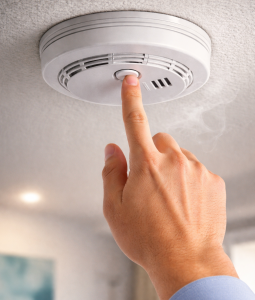
Smoke alarms are one of the most important safety requirements in residential housing. In New Zealand, compliance isn’t optional — and for new-build properties, the expectations are higher than for older homes because they must meet the current Building Code at the time the Code Compliance Certificate (CCC) is issued.

For developers, investors, and future landlords, understanding smoke alarm rules early avoids delayed CCC approvals, failed inspections, tenancy breaches, insurance issues, and most importantly serious safety risks.


Why smoke alarm compliance matters

New Zealand Fire and Emergency (FENZ) statistics consistently show that working smoke alarms dramatically increase survival in house fires. Most fatal residential fires occur at night while occupants are sleeping. Modern building requirements therefore focus on early warning and whole-house coverage, not just a single hallway alarm.

In practice, a new build without correct alarm placement can:

  • fail final council inspection

  • delay settlement or handover

  • prevent tenants moving in

  • void or complicate insurance claims after a fire

  • breach tenancy legislation if rented


The law: Two separate rules apply

New-build homes sit under two different pieces of legislation at the same time:

1) Building Act & Building Code (during construction)

Applies when building the property and obtaining CCC.

2) Residential Tenancies legislation (when rented)

Applies once tenants move in.

A property can pass building inspection but still fail rental compliance — this catches many investors out.


Building Code requirements (New Builds)

New homes must comply with the New Zealand Building Code clause F7/AS1 – Warning Systems.

Required alarm type

All new builds must install:

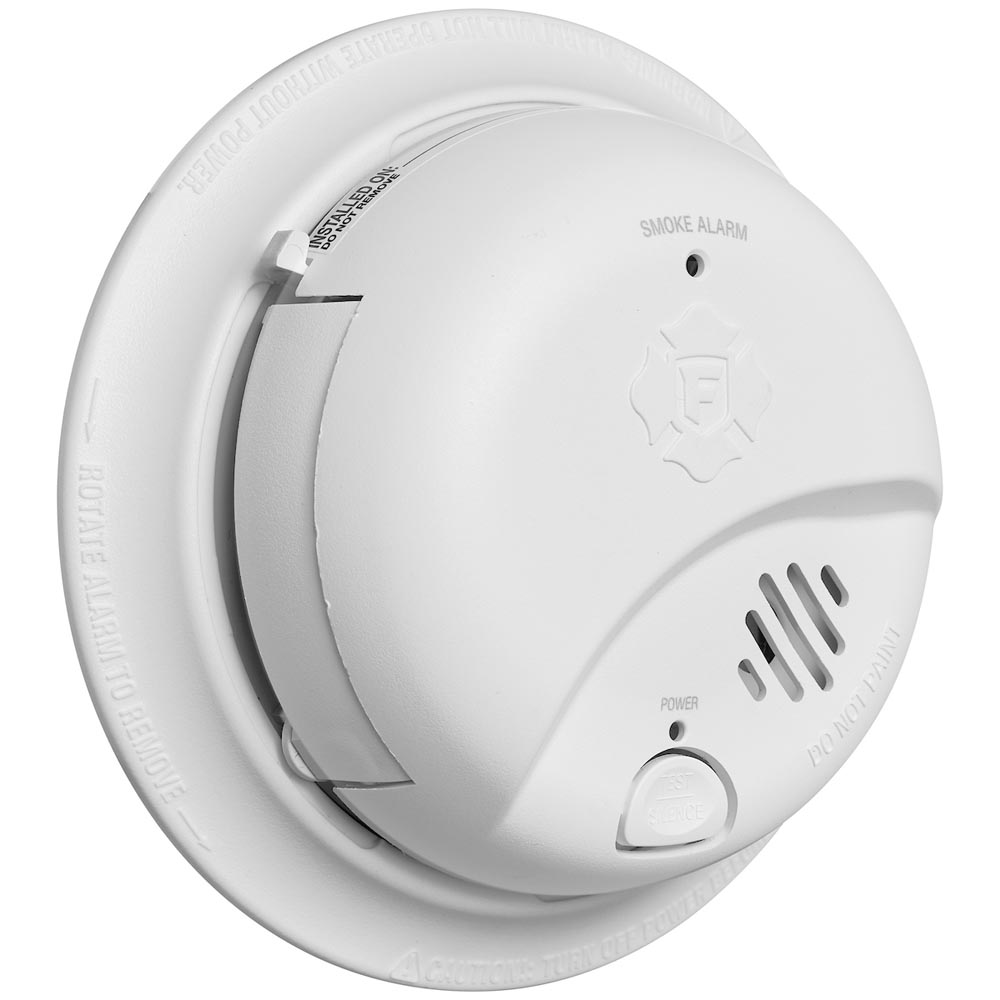
  • Hard-wired (mains powered) smoke alarms

  • With battery back-up

  • Located throughout the dwelling (not just hallways)

Battery-only alarms are not acceptable for a new build.


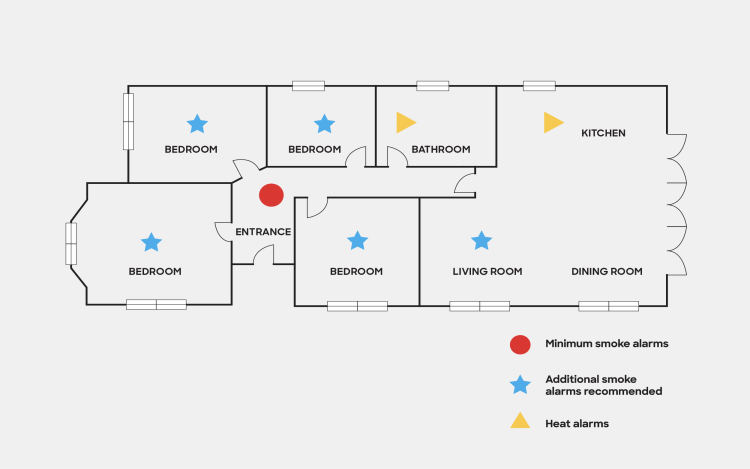
Where smoke alarms must be installed

The Building Code requires alarms to be positioned so occupants receive early warning while sleeping.

They must be installed:

  • In every bedroom

  • In hallways or areas outside sleeping spaces

  • On each level of the home (including upstairs and downstairs)

  • In paths of egress (escape routes)

This is a major difference from older houses, which often only had one alarm in the hallway.


Interconnection requirement (very important)

In new homes, smoke alarms must be interconnected.

That means when one alarm activates, every alarm in the house sounds.

This is crucial in modern open-plan homes where fires often start in living areas or garages, not bedrooms.


Location rules (technical placement)

Correct placement is part of compliance. A wrong location can fail inspection.

Smoke alarms must:

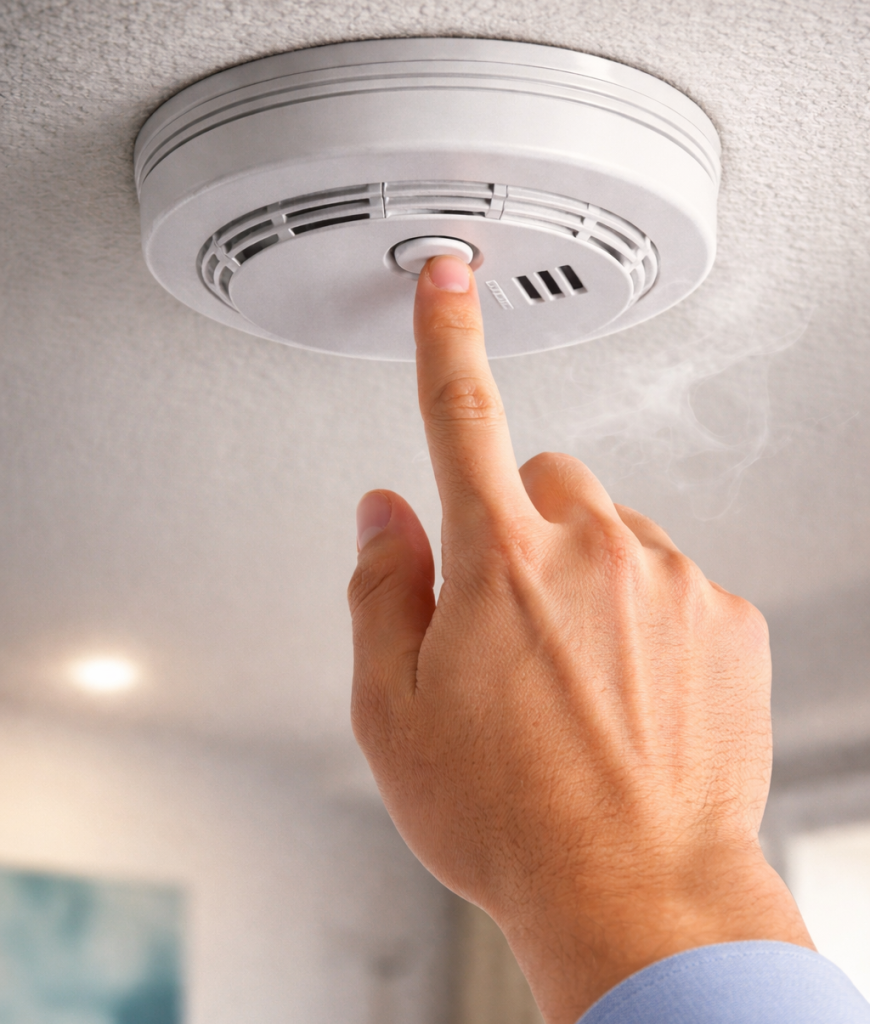
  • Be installed on the ceiling (preferred)

  • At least 300 mm from walls

  • Not in kitchens or bathrooms (false alarms)

  • Not near heat pumps, vents, or windows

  • Not inside cupboards or garages (unless required as part of system)


Code Compliance Certificate (CCC)

You cannot legally complete a new build without compliant smoke alarms.

Council inspectors check:

  • Alarm type

  • Power source

  • Interconnection

  • Location

  • Operation (they will test them)

No compliant alarms = no CCC.

No CCC = you cannot legally occupy or settle the property.


When the property becomes a rental

Once rented, the rules change slightly. Now the property must also meet Residential Tenancies smoke alarm regulations.

Good news:
If a new build complies with the Building Code, it will almost always exceed tenancy standards.

However, the responsibilities now shift to both parties.


Landlord responsibilities

The owner/landlord must:

  • Ensure working alarms are installed at the start of every tenancy

  • Replace expired alarms (typically after 10 years)

  • Repair faulty alarms promptly

A landlord cannot contract out of this responsibility.


Tenant responsibilities

Tenants must:

  • Notify the landlord if alarms fail

  • Not remove or damage alarms

Intentional removal or disabling of alarms can lead to liability if a fire occurs.


Types of smoke alarms used in new builds

New Zealand requires photoelectric smoke alarms in sleeping areas because they detect smouldering fires faster than older ionisation alarms. 


Insurance implications

Many insurers now ask after a house fire “Were working smoke alarms installed?”

If alarms were missing, disconnected, or non-compliant, insurers may:

  • reduce payouts

  • decline claims

  • pursue liability

For landlords, this can become a six-figure problem.


Practical advice for investors & developers

To avoid issues:

  • Install alarms early (during electrical rough-in)

  • Use an electrician familiar with F7/AS1

  • Photograph installed alarms before settlement

  • Record alarm manufacture dates

  • Have your property manager check alarms at every inspection and record replacement dates.


Smoke alarm compliance in new builds isn’t just a regulatory box to tick, it is one of the few property requirements directly linked to life safety.

For developers, it protects your CCC and settlement.
For landlords, it protects your tenancy compliance and insurance.
For occupants, it protects lives.

A compliant system is inexpensive compared to the risks of getting it wrong and in New Zealand property management, smoke alarms are one of the first things inspectors, insurers, and investigators will check after a fire.

Natural Disasters – What Owners and Tenants Need to Know

With the extreme weather impacting parts of the country this week, it felt like a good time to talk about natural disasters and property management. What happens, what it means for owners and tenants, and how situations like these are actually handled.

New Zealand is a beautiful place to live, but it is also a country shaped by nature. Earthquakes, flooding, slips, storms and coastal weather events are not rare occurrences here. They are a real and ongoing part of property ownership and renting.

For the Homely team, natural disasters are not just emergency situations. They are legal situations, insurance situations, human situations and often all at once.

Understanding responsibilities before an event occurs is one of the most important ways owners and tenants can protect themselves.

Why This Matters More Than Ever

In recent years New Zealand has experienced significant weather events, including major flooding, cyclones and slips affecting thousands of rental homes.

The reality is:

Natural disasters don’t just damage houses, they disrupt tenancies, finances, safety, and wellbeing.

After a disaster, the biggest issues we see are not actually the physical damage.
They are confusion, panic, and misunderstandings about:

• Who pays
• Who fixes it
• Whether rent still applies
• Whether a tenant must move out

Our job is to have those answers ready.

The Legal Position (Residential Tenancies Act)

When a rental property is damaged by a natural disaster, the Residential Tenancies Act (RTA) determines what happens next.

There are three key categories:

1. The property is still safe to live in

Example: minor roof leak, small flooding in garage, damaged fencing.

In this situation:
– The tenancy continues.
– The landlord must arrange repairs within a reasonable timeframe.
– Rent still applies.
– Insurance claims should begin immediately.
– Tenants must still report damage as soon as possible. Waiting can make damage worse and can affect insurance.

2. The property is partially uninhabitable

Example: A section of the home has been damaged but the remaining areas can still be used, or there is a temporary interruption to essential services such as water or electricity.

In this case:

– The tenant may apply for a rent reduction
– The landlord must carry out repairs
– Both parties must act reasonably
– Temporary accommodation may be needed
– This is one of the most sensitive areas of property management because the tenant still has a home, but not a fully functioning one.

3. The property is uninhabitable

Example: severe flooding, structural damage, landslip, fire, or earthquake risk.

– If the property is still safe to enter, landlords need to give 7 days’ notice and tenants need to give 2 days’ notice.
– If the home is unsafe, the tenancy should be ended immediately.
– Rent stops from the day the property is no longer accessible or the above notice periods have ended. 
– This surprises many owners, but legally, you cannot charge rent for a property that cannot be lived in.

Insurance — The Most Common Misunderstanding

One of the biggest myths is: “If something happens, insurance will just sort it.”

Unfortunately, insurance claims after natural disasters are rarely fast.
They can take months, and sometimes over a year.

Landlord insurance typically covers:

– The building and it’s fixture’s
– Loss of rent (depending on policy)

It does not cover the tenants belongings. This would be under the tenants personal contents insurance. 

After floods, many tenants discover too late that replacing beds, couches and appliances can cost tens of thousands of dollars.

Responsibilities During a Disaster

Tenant must:

– Notify the property manager immediately
– Take reasonable steps to prevent further damage (if safe)
– Not stay in an unsafe home
– Allow access for urgent repairs

Tenants are not responsible for natural disaster damage unless they caused it.

Landlords must:

– Act urgently
– Arrange emergency repairs
– Lodge insurance claims
– Make the property safe
– Communicate clearly

This is where a Homely property managers become critical. During disasters, contractors, insurers and councils are overwhelmed. Having someone coordinating repairs dramatically reduces stress and downtime.

What a Homely Property Manager Actually Does in a Disaster

We become a crisis coordinator.

We will:
• Organise emergency tradespeople
• Work with insurers and loss adjusters
• Provide documentation and photos
• Guide tenants on next steps
• Advise owners on legal obligations
• Manage rent adjustments or tenancy termination
• Prevent compliance breaches

However, natural disaster management starts before a disaster.

Homely property managers focus heavily on risk reduction:

– Checking drainage and gutters
– Monitoring retaining walls and fences
– Identifying flood-risk areas
– Managing trees near dwellings
– Encouraging healthy homes compliance (reduces moisture damage)

Good management is no longer just rent collection, it is risk management.

Communication: The Most Important Tool

During a natural disaster, the most important service a Homely property manager provides is certainty.

Owners want to know:
“Is my investment protected?”

Tenants want to know:
“Do I still have a home?”

Clear guidance prevents disputes, protects relationships, and avoids Tenancy Tribunal claims later.


Natural disasters are not a possibility in New Zealand, they are an expectation. The difference between a manageable situation and a financial or tenancy tribunal disaster usually comes down to preparation, documentation, and professional guidance.

For owners, this means understanding your insurance and legal obligations.

For tenants, this means knowing your rights and protecting your belongings.

And for our Homely property managers, it means being ready long before the storm arrives. Because in property management, the real work often starts when the weather turns.


Looking Ahead in 2026: People, Purpose, and the Power of Connecting

As we step into 2026, I find myself feeling incredibly proud. Not just of where Homely has come from, but of the people who make it what it is.

At its heart, Homely has always been about more than houses. It’s about people, connection, and creating places where life happens. As we look forward to the year ahead, our focus is firmly on strengthening our team, supporting our communities, and continuing to do our work with passion, trust, and purpose.


In 2026, our focus remains on delivering the best possible experience for our owners and tenants — and that starts with our team. We continue to invest in our people so they are knowledgeable, responsive, and confident in the advice and support they provide every day.

By embracing smarter more flexible ways of working, and fostering a culture built on care, accountability, and clear communication, we ensure our team is well equipped to look after your property and your home. When our people feel supported and empowered, it translates into proactive service, thoughtful solutions, and relationships built on trust.


Our communities are the reason we do what we do. In the year ahead, we’re looking forward to deepening our local connections by listening more closely, showing up consistently, and contributing in meaningful ways.

Whether it’s supporting local initiatives, working alongside our communities, or simply taking the time to understand what matters most to the people we serve, we remain committed to being present and involved. We want Homely to continue to be a name that people trust not just in business, but as part of the community itself.


As we move through 2026, we’re committed to doing business thoughtfully and responsibly. That means clear communication, honest advice, and decisions that put people first. We’ll continue to adapt to change, embrace new opportunities, and refine how we work without losing sight of our values.

The property landscape will continue to evolve, just as we are adapting to new pet laws that make it easier for tenants to have pets while giving owners peace of mind over property care, but our approach remains the same: grounded, transparent, and focused on long-term relationships rather than short-term wins.


2026 feels full of possibility. It’s a year we’re stepping into with optimism, gratitude, and a clear sense of purpose. To our team — thank you for your dedication, passion, and hard work. To our owners and tenants — thank you for trusting us with your homes and your properties, and for allowing us to be part of your journey. To our wider communities — thank you for embracing Homely and supporting the work we do together.

We look forward to growing together in the year ahead.

Preparing Your Property for Rent

With summer around the corner and the potential for a change of scenery, a new job opportunity or a new investment purchase perhaps, you may be considering preparing a property for rent. But what’s involved with ensuring you are attracting great tenants and achieve strong returns?
Preparation is key. Whether you’re a first-time landlord or adding another home to your portfolio, taking the time to get your rental “ready for rent” will help you secure quality applicants, reduce vacancy time, and ensure compliance with New Zealand’s residential tenancy standards.

Here’s a step-by-step guide to help you prepare.

1. Understand Your Legal Responsibilities

Before you begin preparing the home, make sure you’re across New Zealand’s rental standards and legal requirements. Key areas include:

Healthy Homes Standards

All rental properties must meet the Healthy Homes Standards, which cover:

Heating

Insulation

Ventilation

Moisture ingress & drainage

Draught stopping

Investing in compliance not only keeps you on the right side of the law, it makes your home safer and more comfortable for tenants.

Smoke Alarms

Homes must have working, long-life photoelectric smoke alarms installed in the correct locations.

Property Maintenance Obligations

Landlords must provide and maintain the premises in a reasonable state of repair throughout the tenancy.

If unsure, talk with Homely, we are happy to come visit. 

2. Complete Any Repairs and Maintenance

A property in good condition attracts better applicants and reduces issues down the track. Before listing your rental:

Fix leaking taps, broken handles, cracked windows, or faulty appliances

Touch up peeling paint or worn-out areas

Ensure all lights and power points are working

Check that doors and windows open, close, and lock properly

Service heat pumps, gas appliances, and ventilation systems

Healthy home requirement upgrades or repairs. 

These small investments help your property look well cared for and move-in ready.

3. Deep Clean the Property

Tenants must leave a property “reasonably clean and tidy” at the end of their tenancy—so as a landlord, providing the same standard at the beginning is best practice.

A deep clean should include:

Cleaning carpets

Washing walls and ceilings of fly spots and other marks. 

Cleaning the oven, rangehood, and all appliances

Scrubbing bathrooms and kitchens

Cleaning windows inside and out

Removing any rubbish or leftover items

A professionally cleaned home sets the tone for how you expect the property to be cared for. Homely has a great ready to rent checklist we can share with you. Just get in touch!

4. Prepare the Outdoor Areas

Street appeal counts, even for rentals. Make sure outdoor spaces are as inviting and low-maintenance as possible.

Mow lawns and trim hedges

Remove weeds and debris

Clear gutters

Check exterior lighting

Securely store or remove unused garden items

Outdoor condition is part of the overall tenant experience and influences their perception of value and care.

5. Decide What to Include

Standard items might include:

Heat pump

Dishwasher

Curtains or blinds

Outdoor bins

But you may want to leave behind a plumbed in fridge or other items that go with the property. 

6. Set the Right Rent

Talk with Homely for a current market update and rental appraisal. The factors we consider are:

Location and demand

Condition of the property

Number of bedrooms and bathrooms

Local amenities

Comparable recent rentals

All this information helps us to determine an accurate price point that maximises both interest and return.

7. Ready the Property for Marketing

Great photos drive enquiries. Have the property ready for a professional photographer:

Open blinds and curtains to maximise light

Remove clutter

Add simple touches (clean towels, fresh flowers, cushions)

Ensure the home is spotless

Ensure power is on at the property 

8. Work With a Professional Property Manager

Preparing a rental can be time-consuming and complex, especially with New Zealand’s evolving regulations. A Homely property manager can handle:

Market appraisal and pricing

Healthy Homes compliance

Advertising and photography

Tenant screening

Viewings and applications

Tenancy agreements

Ongoing management and inspections

Homely’s expertise helps protect your investment and ensures a smooth start for your tenants.


As you prepare for your investment journey, just remember Homely is here to help along the way to ensure a good foundation for a successful tenancy. 


For your FREE Homely rental appraisal to get your journey started, click HERE


New Pet-Rules for NZ Rentals: What Tenants and Landlords Need to Know

It’s the announcement we’ve all be waiting for. As of the 1st December 2025, new provisions under the Residential Tenancies Amendment Act 2024 (RTA) will change how pets are managed in rental properties across New Zealand. This has been introduced so renting with pets is more transparent and balanced while still protecting landlords’ interests.

What’s Changing

Here are the key take aways coming under the new rules:

  • Written consent to keep a pet
    Tenants will only be allowed to keep a pet if the tenancy agreement already permits it or they obtain written consent from the landlord.
  • Landlords must have reasonable grounds to refuse
    Landlords will no longer be able to say no to pets without justification. They must provide a valid reason for declining a pet request. For example, the property may be unsuitable (no grounds, or inadequate fencing), local council or body-corporate rules might prohibit the pet, or the pet’s behaviour or breed could raise concerns.
  • Pet bonds allowed
    For tenancies beginning after the new rules come into effect, landlords will be able to charge a “pet bond” in addition to the standard general bond. The pet bond may be up to two weeks’ rent.
  • Liability for pet-related damage
    Tenants will be responsible for any damage caused by their pets beyond what is considered “fair wear and tear”. This ensures that landlords have protection, while tenants with pets know their obligations.
  • Existing pets / existing tenancy agreements
    If a tenant already has a pet that was allowed (explicitly or implicitly) under the tenancy agreement before the new rules take effect, then those pets are typically exempt from needing new consent or paying a pet bond when the changes roll in. The new scheme applies to new permissions/tenancies from the commencement date.
  • Assist animals (disability service/assist dogs)
    The rules do not apply to disability assist dogs. Consent is not required and no pet bond may be charged for such animals.

Why the change?

Pets are part of many Kiwi households, but it’s common for many rental properties to have a blanket “no-pets” rule, which can make it difficult for pet owners to secure a home. This change aims to provide clarity and fairness.

What this means for tenants

If you want to keep a pet in a rental, you’ll need to apply in writing to the landlord once the rules take effect. If you’re unsure what to include in your application, ask your property manager whether they have a pet application form to help make your request clearer.

You’ll have better chances of having a pet now. Landlords cannot decline simply because “we don’t do pets” they must give reasonable grounds to decline. 

Be prepared for potential additional upfront costs. If allowed, a pet bond of up to two weeks’ rent could apply as well as other reasonable conditions. 

You’ll need to keep your pet’s behaviour under control to avoid liability for damage or nuisance to neighbours. 

What this means for landlords

You’ll still retain the ability to say “no” to a pet, but you must have reasonable grounds to refuse, such as property suitability, local council or body corporate rules or concerns about the pet.

You gain extra security, the pet bond gives you cover to offset possible damage caused from pets.

Landlords should review their insurance cover for pet-related damage, just to be safe. 


Homely do believe we will see some potential benefits with this change. A wider tenant pool as pet-owners now have more opportunities, potentially longer tenancies (tenants with pets may stay longer if allowed), more open communication and fewer conflicts around pet consent.

To find out more about these changes through Tenancy Services, click HERE 


The Property Management Conference (PMC) 2024 Wrap Up

Homely Property Management recently attended the Property Management Conference at Takina Convention Centre, in Wellington. It was an opportunity for professionals in the property management sector to gather in one of New Zealand’s vibrant cities to learn and connect. This conference focused on the latest trends, innovations, and best practices in property management, with a particular emphasis on the future of the industry and how Artificial Intelligence (AI) will fit into our every day tasks.

The Keynote speakers ranged from industry leaders, tenancy services to Economists and a lot of value was gained as well as lots of ideas to start to implement into Homely.

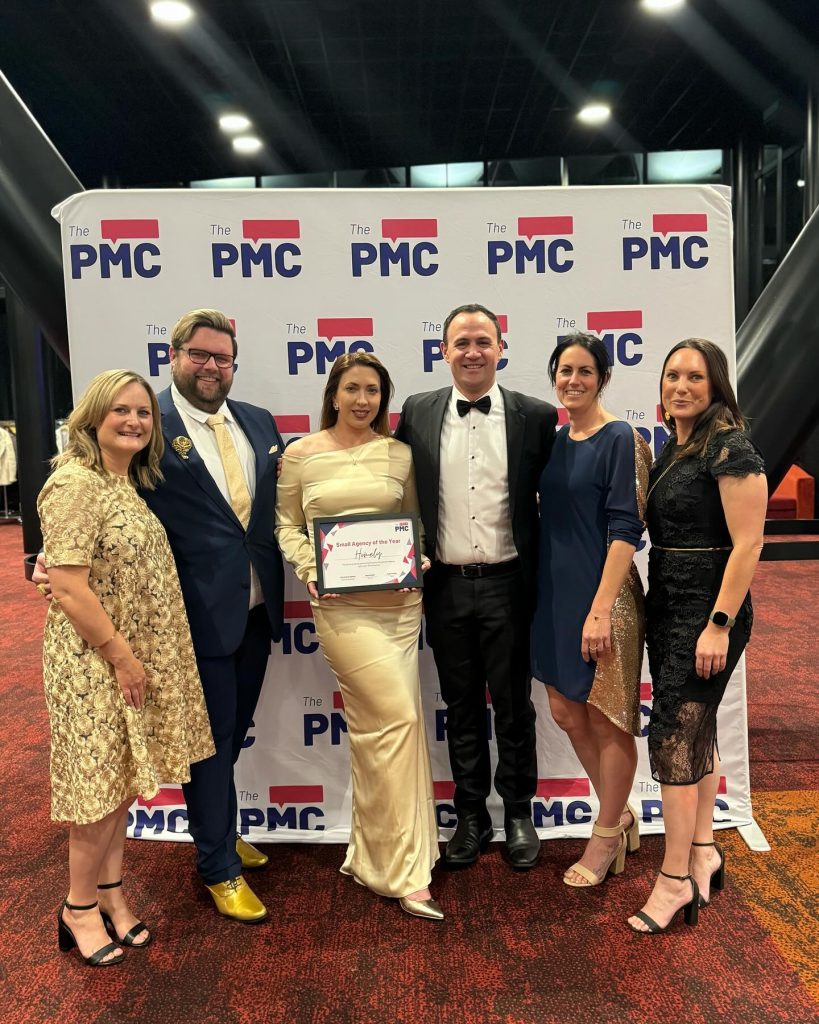
Alongside the conference was also the Property Management awards night. We are thrilled to announce that our Homely has been honored with the “Small Agency of The Year” award. This recognition is a true reflection of our commitment to providing exceptional service, innovative solutions, and creating lasting value for our clients, tenants, and our Independent Property Managers.

Winning this award is a significant achievement for our team, and we could not be more proud. It shows the hard work, dedication, and passion that every member of Homely brings to their role each day.

At the heart of our success is a company culture built on collaboration, integrity, and customer centered values. Our approach to property management goes beyond simply maintaining properties—it’s about building relationships and creating thriving, well-managed tenancies. 

We are continuously adopting the latest industry technologies and best practices to ensure that our operations are not only efficient but also forward-thinking. Whether it’s using advanced property management software or staying ahead of compliance regulations, we are always evolving to better serve our clients.

While we celebrate this incredible honor, we remain focused on the future. The property management industry is always evolving, and we are committed to staying at the forefront of innovation and service excellence. This award motivates us to continue raising the bar, setting new industry standards, and delivering even greater value to our owners and tenants.

Here’s to more growth, innovation, and success!

How to Choose the Right Property Management Agency

Choosing the right property management company is a crucial decision for property owners, whether you own residential units, apartments, townhouses or free-standing properties. A good management company can enhance your investment’s value and ensure smooth operations, while a poor choice can lead to financial losses and stress. Here is Homely’s guide to help you make an informed decision.

1. Research and Gather Recommendations
Start your search by gathering recommendations:

Ask for Referrals: Talk to other property owners or real estate agents in your network for trusted recommendations.

Online Reviews: Check platforms like Google. Look for patterns in feedback regarding responsiveness, professionalism, and tenant relations.

2. Check Credentials and Experience
Ensure that the companies you consider are reputable:

Accredited Company: Verify that the company is accredited through the Real Estate Institute of New Zealand. This ensures they are correctly set up to be managing your property and dealing with your rental income. 

Experience: Look for companies with a proven track record in managing properties similar to yours. Consider how long the property manager has been working in the industry or if they are qualified.

3. Evaluate Their Services
Not all property management companies offer the same services. Ask about:

Tenant Screening: Inquire about their screening process for potential tenants, including credit checks, background checks, and rental history verification.

Maintenance and Repairs: Understand their approach to property maintenance. 

Financial Management: Clarify how they manage finances, including rent collection, accounting, and reporting. Regular financial reports should be part of their service.

Inspections: What to expect from inspection reports.

4. Assess Communication and Responsiveness
Effective communication is key to a successful management relationship:

Initial Interaction: Pay attention to how promptly and thoroughly they respond to your inquiries during the initial contact. This often reflects their overall communication style.

Regular Updates: Ask how often you can expect updates regarding your property and tenant issues. Clear communication channels should be established.

Flexibility: Are they are to communicate and visit the property for viewings after hours if required. 

5. Review Management Fees and Contracts
Understanding the cost structure is essential:

Fee Structure: Inquire about management fees, typically a percentage of the monthly rent. Be cautious of any additional fees for services like maintenance, inspections, or lease renewals.

Contract Terms: Review the contract carefully. Look for details regarding termination clauses, responsibilities, and any hidden fees. Ensure that the terms are fair and transparent.

6. Visit Managed Properties
If possible, visit some properties currently managed by the company:

Condition of Properties: Evaluate the overall condition of the properties. Are they well-maintained? This can be a strong indicator of how the management company operates.

Tenant Interactions: If you can, observe how they interact with tenants. A good property manager should foster positive relationships.

7. Trust Your Instincts
Ultimately, trust your instincts when making a decision:

Comfort Level: Choose a company that you feel comfortable with. You should trust them to handle your investment with care and professionalism.

Long-term Relationship: Consider that property management is often a long-term relationship. Opt for a company that aligns with your values and investment goals and has a low staff turnover rate.


Selecting the right property management company requires careful consideration and thorough research. By understanding your needs, gathering recommendations, assessing credentials, and evaluating communication, you can make an informed choice that enhances your property investment. Take your time, and don’t hesitate to ask questions—your property’s success depends on it!

To find out more about Homely and how we operate visit us at www.homely.nz

Homely Service the following areas:
Property Management Manawatu
Property Management Feilding
Property Management Palmerston North
Property Management Horowhenua
Property Management Kapiti

Winter Property Maintenance

As winter starts to creep in, rental property owners face unique challenges in maintaining their investments. Harsher weather conditions can cause unexpected maintenance on properties, leading to costly repairs and upset tenants. However preparation is key, with careful planning and proactive measures, you can minimise risks and ensure your rental properties remain in top condition throughout the winter months. Here are some essential tips for effective winter property maintenance:

1. Inspect and Prepare Heating Systems: Whether this is a heat pump, gas heating or fire place, before the cold sets in, conduct an annual service to ensure they are in good working order and ready to be used over the coming months. This will help with the longevity of the appliance and will help to prevent any issues arising when in full use. Its also important that tenants are educated on how to operate any heating system efficiently.

2. Prevent Frozen Pipes: Especially in older builds, frozen pipes are a common winter headache that can lead to costly water damage. Where possible, insulate pipes. It’s also a good idea to encourage tenants to keep a slow trickle of water running from faucets during extremely cold weather to prevent pipes from freezing. Also, just in case of a burst pipe it’s good to know where the water mains are located so water can be shut off quickly. 

3. Maintain Landscaping: Clear fallen leaves and debris from gutters and downpipes to prevent clogging and ice buildup. If you’ve supplied your property with outdoor furniture, now is the time to store it or cover it to protect from winter elements and minimise wear and tear.

4. Draughts: Now’s the time to double check that draught stop is doing its job, or to replace any that is starting to look worn. Not only does it bring in cold air if not installed correctly or worn, it also makes heating the house harder and can increase power bills for tenants.

5. Windows: Condensation on the interior of windows and doors are common in the winter when outside air is cold and dry, and the indoor air is warm and humid. Now is a great time for you to check that the weep holes in your window framing are cleared and free flowing. This helps to prevent puddling at the bottom of windows. 

6. Communicate with Tenants: Keep lines of communication open with tenants throughout the winter season. Encourage tenants to report any maintenance issues promptly. Not only does this mean your property is being well maintained to reduce the risk of unnecessary future costs, but also helps keep tenants in properties for longer.  

By implementing these winter property maintenance tips, you can safeguard your investment, minimise risks, and ensure a safe and comfortable living environment for tenants during the colder months. Proactive planning and regular maintenance are key to preserving the value and integrity of your rental property in any weather conditions.

Homely Service the following areas:
Property Management Manawatu
Property Management Feilding
Property Management Palmerston North
Property Management Horowhenua
Property Management Kapiti

Privacy Policy

Homely Property Management is committed to protecting your privacy. This privacy statement outlines what and how we collect, store, use and share your personal information.

What information do we collect?

The types of personal information we collect about you may include your:

– Contact information: your name, phone number, email address, postal address, physical address

– Documents that verify your identity and other personal details: such as your passport or drivers’ licence number.

– Subscriptions/preferences: when you subscribe to receive our newsletter or updates, as well as content preferences to help us identify which material you want to receive.

– Technical information: information about the device used to access the website or other social media sites, such as IP address, browser type, time zone settings and mobile network information.

How do we collect your personal information?

We collect your personal information directly from you unless it is unreasonable to do so. When collecting personal information from you, we may collect in ways including:

– Through your access and use of our website;

– By telephone, cell phone, letter, fax or email;

– During conversations or meetings between you and our Homely representatives;

– By contracting with us or completing application forms;

– By entering competitions, promotions or requesting information or material from us; or

– Completing surveys, providing feedback or complaining to us.

We may also collect personal information from third parties including:

– From third party companies such as credit reporting agencies, law enforcement agencies and government entities;

– Your representatives (lawyers, accountants and financial advisers);

– Your employer; or

– Publicly available sources of information or any other organisations where you have given your consent.

What do we do with it?

We collect and use your personal information to provide the information and services that you request from us, and to provide you with information about other services we consider appropriate such as:

– Industry regulation changes

– Provide ROI percentages through the information entered into our online calculator

– New listings, services & special offers

– Provide advice and information through our online newsletter

– Feedback for improvement

Who do we share it with?

Besides our staff, we may share this information with third parties who enable us to provide you with our services. This includes our technology software providers (we can provide a list of the software companies we engage with to deliver our services).

We will only share your personal information with third parties where it is necessary to help us do what we collected your information for, where it is required by law or where you give us authority to.

We require these third parties to adhere to our strict confidentiality requirements for handling personal information and we seek to ensure that they comply with the Privacy Act 2020.

Where do we store it?

We use third party cloud service providers to store and process the information we collect. We ensure that our cloud-based service providers are subject to appropriate security and information handling arrangements and that the information stored or processed by them remains subject to confidentiality obligations.

Protecting your personal information

We will take reasonable steps to keep your personal information safe from loss, unauthorised activity, or other misuse.

What are my rights?

You do not have to provide information to us. If you choose not to provide necessary personal information when requested, we maybe be unable to provide certain information or services to you.

You have the right to ask for a copy of any personal information we hold about you, and to ask for it to be corrected or deleted if you think it is wrong. If you have any questions about this privacy statement or you’d like to ask for a copy of the information we hold on you, or to have it corrected, please contact us at: [email protected] or 0800466376

Internet use

While we take reasonable steps to maintain secure internet connections, if you provide us with personal information over the internet, the provision of that information is at your own risk. If you follow a link on our website to another site, the owner of that site will have its own privacy policy relating to your personal information. We suggest you review that site’s privacy policy before you provide personal information.

Security

As our website is linked to the internet, and the internet is inherently insecure, we cannot provide any assurance regarding the security of transmission of information you communicate to us online. We also cannot guarantee that the information you supply will not be intercepted while being transmitted over the internet. Accordingly, any personal information or other information which you transmit to us online is transmitted at your own risk.

Cybersecurity

Although we regularly update our cybersecurity and virus protection software, we do not guarantee that our website will be free from viruses or other malicious interference (such as spyware, malware, adware, ransomware and worms) that can damage your computer system and access your data.

No liability

Homely Property Management does not accept any liability for any loss or damage arising from the use of this website. This does not prejudice your statutory rights.

Accuracy of information

While Homely Property Management has taken all reasonable care to ensure the information on this website is accurate, errors and omissions may occur. We do not accept any responsibility for any inaccuracy, error or omission in the website’s content, or for any loss caused to anyone from relying on that information. We may change, delete, add to or otherwise amend the information published on this website without notice.

Contacting us

If you have any questions about this privacy policy, our privacy practices, or if you would like to request access to, or correction of, your personal information, you can contact us at [email protected] 0r 0800466376.

If you’re not satisfied with our response to any privacy-related concern you may have, you can contact the Privacy Commissioner. Contact details for the Office of the Privacy Commissioner are found here: https://www.privacy.org.nz/about-us/contact-us/


Homely Service the following areas:
Property Management Manawatu
Property Management Feilding
Property Management Palmerston North
Property Management Horowhenua
Property Management Kapiti