


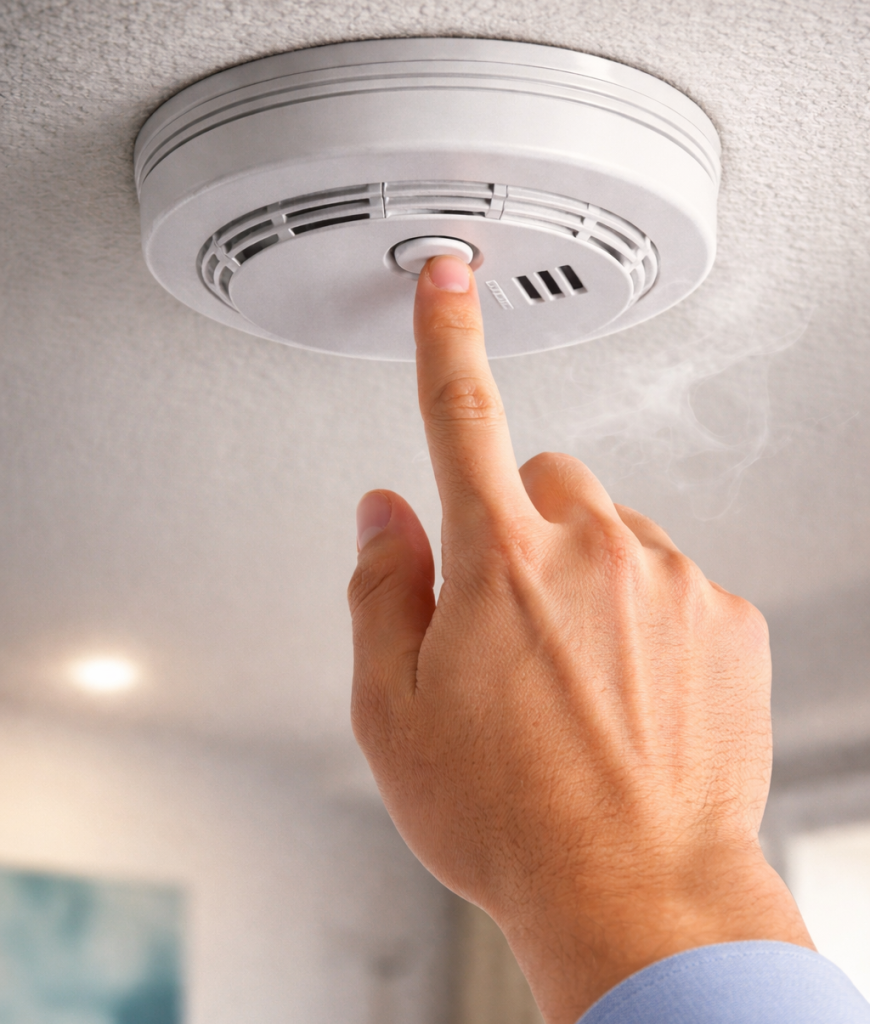
Smoke alarms are one of the most important safety requirements in residential housing. In New Zealand, compliance isn’t optional — and for new-build properties, the expectations are higher than for older homes because they must meet the current Building Code at the time the Code Compliance Certificate (CCC) is issued.
For developers, investors, and future landlords, understanding smoke alarm rules early avoids delayed CCC approvals, failed inspections, tenancy breaches, insurance issues, and most importantly serious safety risks.
Why smoke alarm compliance matters
New Zealand Fire and Emergency (FENZ) statistics consistently show that working smoke alarms dramatically increase survival in house fires. Most fatal residential fires occur at night while occupants are sleeping. Modern building requirements therefore focus on early warning and whole-house coverage, not just a single hallway alarm.
In practice, a new build without correct alarm placement can:
-
fail final council inspection
-
delay settlement or handover
-
prevent tenants moving in
-
void or complicate insurance claims after a fire
-
breach tenancy legislation if rented
The law: Two separate rules apply
New-build homes sit under two different pieces of legislation at the same time:
1) Building Act & Building Code (during construction)
Applies when building the property and obtaining CCC.
2) Residential Tenancies legislation (when rented)
Applies once tenants move in.
A property can pass building inspection but still fail rental compliance — this catches many investors out.
Building Code requirements (New Builds)
New homes must comply with the New Zealand Building Code clause F7/AS1 – Warning Systems.
Required alarm type
All new builds must install:
-
Hard-wired (mains powered) smoke alarms
-
With battery back-up
-
Located throughout the dwelling (not just hallways)
Battery-only alarms are not acceptable for a new build.
Where smoke alarms must be installed
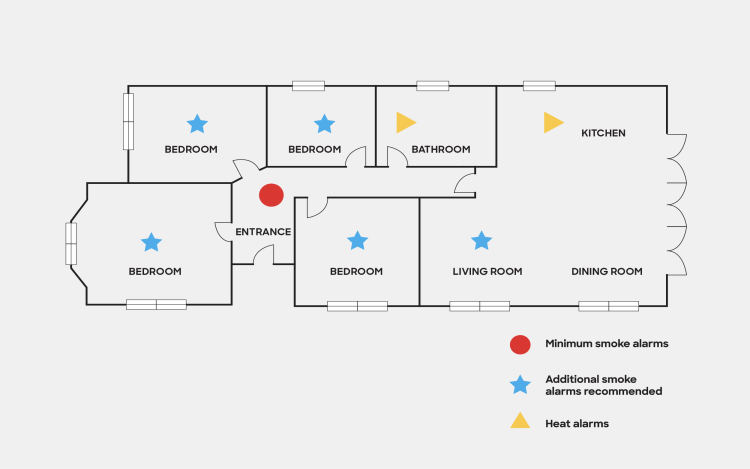
The Building Code requires alarms to be positioned so occupants receive early warning while sleeping.
They must be installed:
-
In every bedroom
-
In hallways or areas outside sleeping spaces
-
On each level of the home (including upstairs and downstairs)
-
In paths of egress (escape routes)
This is a major difference from older houses, which often only had one alarm in the hallway.
Interconnection requirement (very important)
In new homes, smoke alarms must be interconnected.
That means when one alarm activates, every alarm in the house sounds.
This is crucial in modern open-plan homes where fires often start in living areas or garages, not bedrooms.
Location rules (technical placement)
Correct placement is part of compliance. A wrong location can fail inspection.
Smoke alarms must:
-
Be installed on the ceiling (preferred)
-
At least 300 mm from walls
-
Not in kitchens or bathrooms (false alarms)
-
Not near heat pumps, vents, or windows
-
Not inside cupboards or garages (unless required as part of system)
Code Compliance Certificate (CCC)
You cannot legally complete a new build without compliant smoke alarms.
Council inspectors check:
-
Alarm type
-
Power source
-
Interconnection
-
Location
-
Operation (they will test them)
No compliant alarms = no CCC.
No CCC = you cannot legally occupy or settle the property.
When the property becomes a rental
Once rented, the rules change slightly. Now the property must also meet Residential Tenancies smoke alarm regulations.
Good news:
If a new build complies with the Building Code, it will almost always exceed tenancy standards.
However, the responsibilities now shift to both parties.
Landlord responsibilities
The owner/landlord must:
-
Ensure working alarms are installed at the start of every tenancy
-
Replace expired alarms (typically after 10 years)
-
Repair faulty alarms promptly
A landlord cannot contract out of this responsibility.
Tenant responsibilities
Tenants must:
-
Notify the landlord if alarms fail
-
Not remove or damage alarms
Intentional removal or disabling of alarms can lead to liability if a fire occurs.
Types of smoke alarms used in new builds
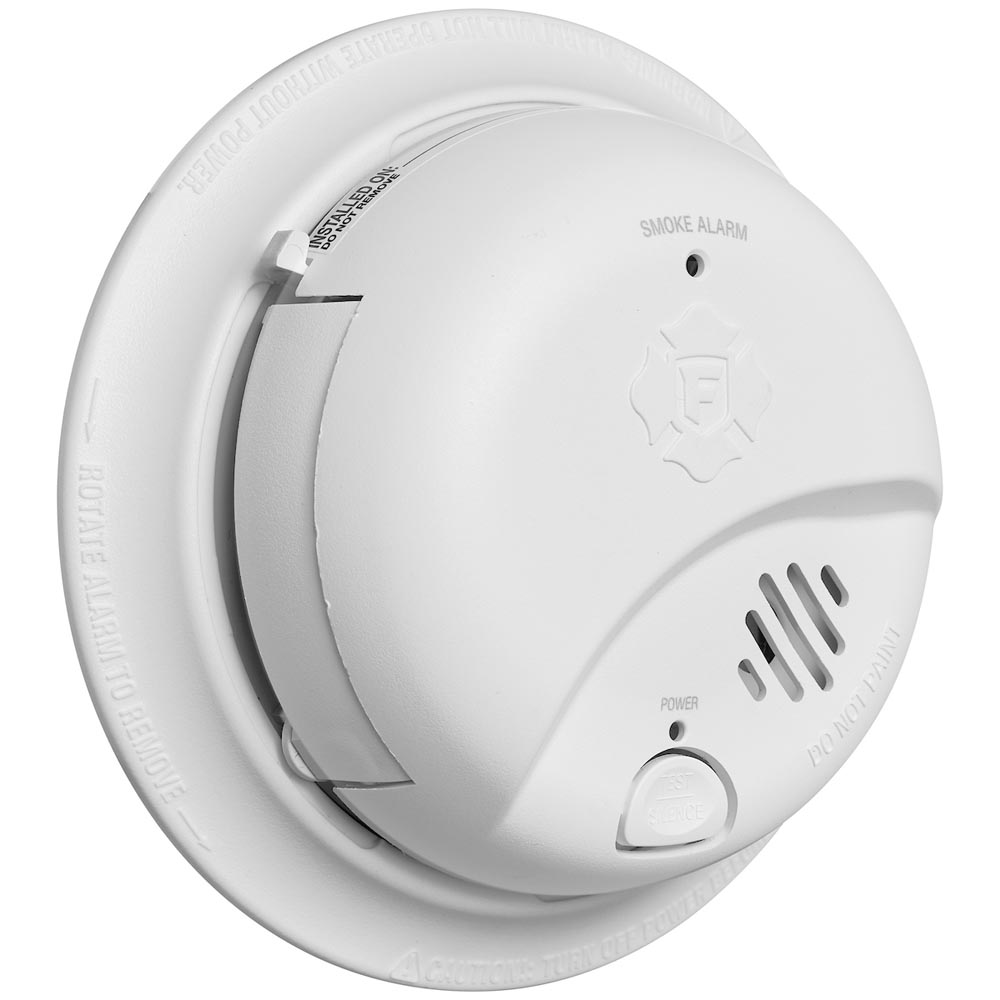
New Zealand requires photoelectric smoke alarms in sleeping areas because they detect smouldering fires faster than older ionisation alarms.
Insurance implications
Many insurers now ask after a house fire “Were working smoke alarms installed?”
If alarms were missing, disconnected, or non-compliant, insurers may:
-
reduce payouts
-
decline claims
-
pursue liability
For landlords, this can become a six-figure problem.
Practical advice for investors & developers
To avoid issues:
-
Install alarms early (during electrical rough-in)
-
Use an electrician familiar with F7/AS1
-
Photograph installed alarms before settlement
-
Record alarm manufacture dates
-
Have your property manager check alarms at every inspection and record replacement dates.
Smoke alarm compliance in new builds isn’t just a regulatory box to tick, it is one of the few property requirements directly linked to life safety.
For developers, it protects your CCC and settlement.
For landlords, it protects your tenancy compliance and insurance.
For occupants, it protects lives.
A compliant system is inexpensive compared to the risks of getting it wrong and in New Zealand property management, smoke alarms are one of the first things inspectors, insurers, and investigators will check after a fire.
